Compression Apparel Manufacturers: How to Build a Qualified Shortlist
- Share
- publisher
- Chence Chen
- Issue Time
- Nov 10,2026
Summary
Build a compression apparel supplier shortlist using fabric, fit, seam and sample evidence, with practical review criteria and project-specific quotation requirements.
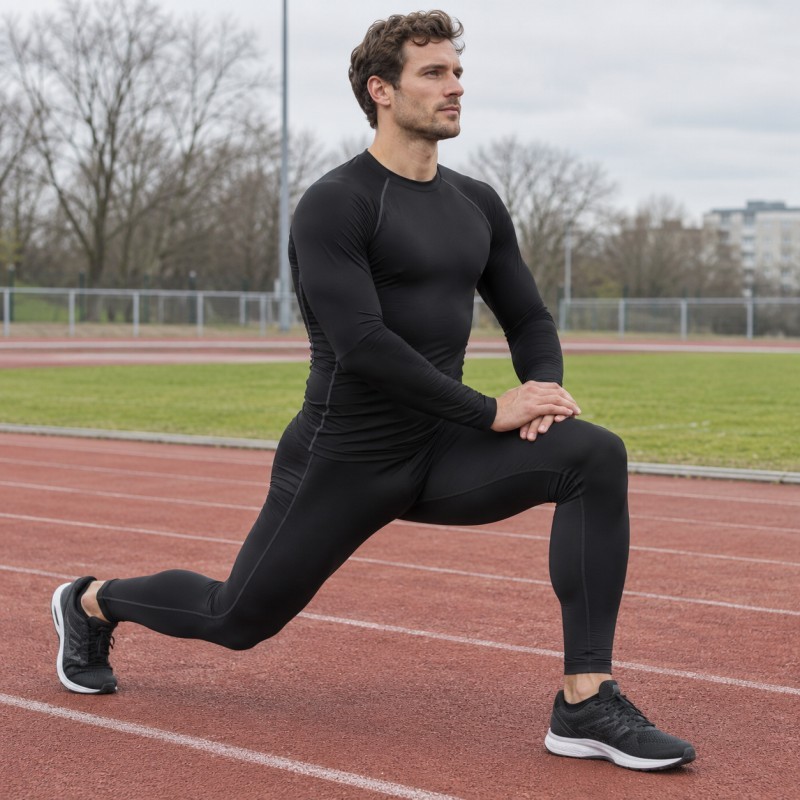
Shortlist compression apparel manufacturers by the evidence behind their stretch fabrics, fit development and seam construction. Request a relevant garment sample, confirm how sizes are developed, and agree checks for opacity, recovery, waistband behavior and comfort during movement. A high elastane percentage alone cannot qualify a supplier. For a men's collection, MontForge's compression-tights range provides a starting point for discussing panels, ventilation and private-label details. Confirm the actual materials, development scope, minimum quantities and inspection requirements for your project before approving production.
Material evidence
Identify the fabric and relevant checks.
Fit evidence
Review movement, sizes and waistband behavior.
Production evidence
Link sample, specifications and inspection.
What makes compression apparel different to source?
Compression garments are designed around close body contact and movement. Small differences in pattern dimensions, fabric behavior or seam placement can change how a garment feels. Begin with the sport, intended wearer and desired fit rather than a general request for “strong compression.”
Keep sportswear requirements separate from medical claims. This guide concerns athletic garment sourcing and does not establish therapeutic benefits or a particular pressure level. If a product specification includes measured pressure, it needs an appropriate measurement procedure and evidence for the actual garment and sizes.
Which product should anchor your supplier assessment?
Use one representative style to make supplier responses comparable. MontForge's compression-tights category presents high-stretch materials, panel construction and ventilation directions. Turn those design options into a specific brief instead of treating the category description as a universal performance promise.
For example, a full-length training tight needs decisions about waistband construction, inseam, gusset, panel placement and size range. Identify the features that are essential to your collection. A supplier should explain which can follow an existing design and which need new development.
Which sourcing routes belong on the shortlist?
Compare development routes before creating a list of company names. Existing-style customization, ODM adaptation and OEM development answer different needs. The table describes procurement options, not verified supplier rankings or guaranteed service availability.
| Route and positioning | Strength and customization | MOQ and cost questions | Samples and timing | Best buyer fit and evidence |
|---|---|---|---|---|
| Existing compression style | Established silhouette with agreed branding changes | Confirm style-color minimums, logo setup and material availability | Approve the actual decorated garment; verify stock separately | Brands whose fit matches the base; inspect relevant size samples |
| ODM adaptation | Supplier design adjusted within agreed boundaries | Confirm modification fees and separate fabric minimums | Define fit revisions and final-material approval | Brands adapting panels or details; retain revised specifications |
| OEM development | Buyer-led patterns, materials and construction | Confirm pattern, grading and sample charges plus minimums | Agree development stages before production scheduling | Brands requiring a distinct fit; review pattern and sample deliverables |
Why is elastane content insufficient evidence?
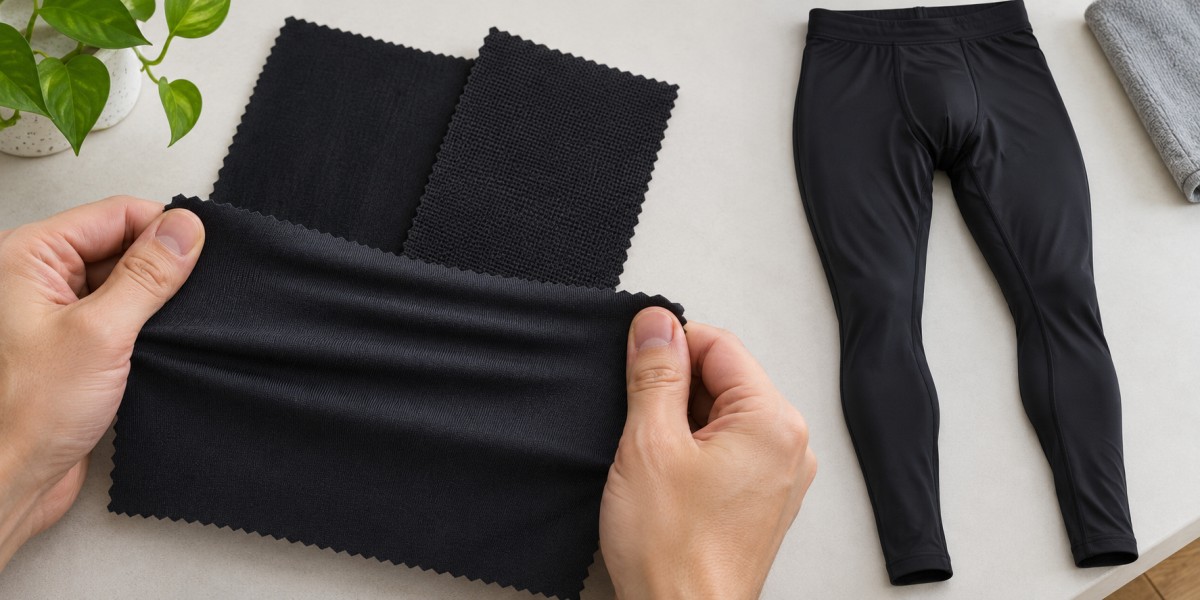
Composition is one part of a material specification. Knit construction, weight, finishing and the way the fabric stretches also matter to garment development. Ask for an identifiable fabric reference and evaluate it in the proposed construction rather than comparing percentage labels alone.
Check how the material behaves in both relevant directions and after the agreed care sequence. Record the method and sample state for any quantified claim. A hand-stretch demonstration can help an initial discussion, but it does not replace a defined test or establish long-term recovery.
Which sewing capabilities should you verify?
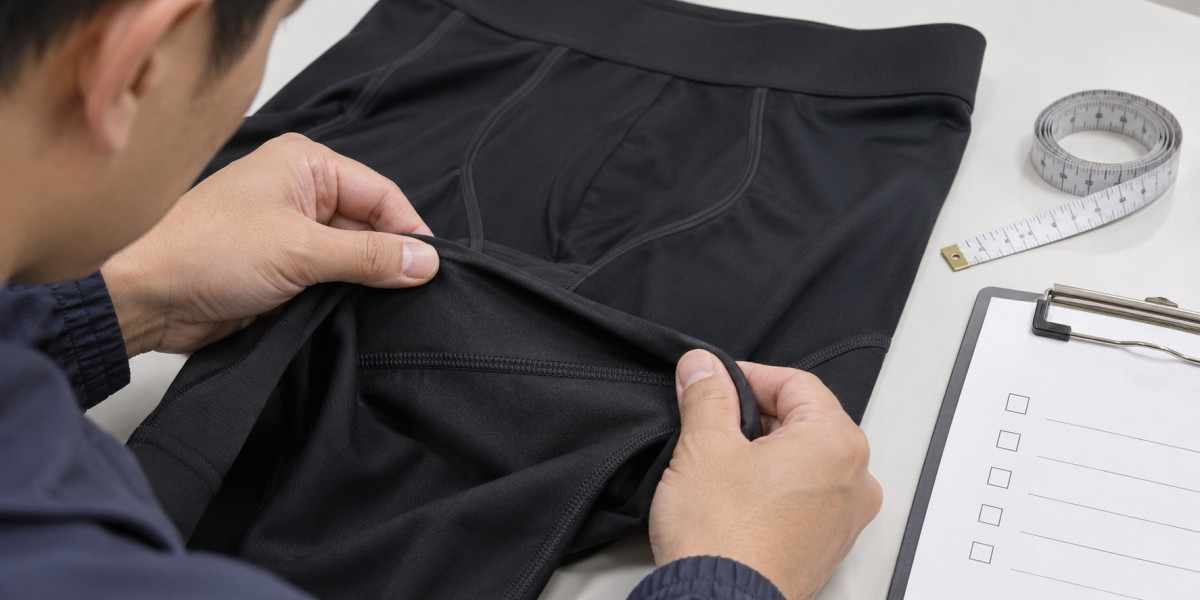
Request a sample with seams relevant to your design, then examine the inside as well as the outside. Check how seams respond when the garment is stretched for dressing and during the intended movement. Look for broken stitches, skipped areas, rough ends and uncomfortable intersections.
A flat-looking seam is not automatically comfortable on every body location. Review the crotch, inner thigh, waistband join and panel junctions on the assembled garment. Ask how the proposed sewing method will be checked consistently during production, particularly if the sample and bulk stages use different workstations.
What should a movement sample demonstrate?
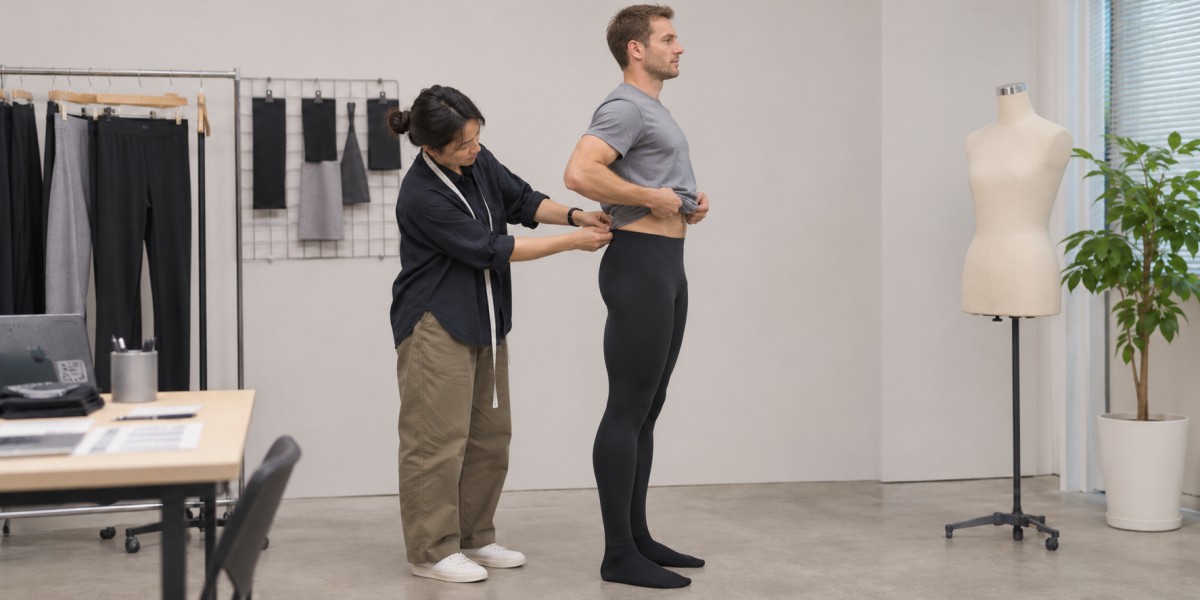
Agree a repeatable sequence appropriate to the intended activity, such as walking, sitting, bending and controlled squatting. Record the wearer, garment size and relevant measurements. Compare samples under consistent conditions rather than relying on impressions from unrelated fittings.
Observe waistband movement, crotch tension, seam pressure and fabric bunching. Check opacity at the areas and stretch levels that matter to the design, including lighter colors if offered. A visual opacity check should have agreed lighting and viewing conditions; a single promotional photograph cannot settle every size or color.
How should you review recovery and waistband behavior?
Inspect the sample before wear, after the agreed movement sequence and after its specified rest or care period. Note changes in shape, loose areas and whether the waistband rolls or migrates. Distinguish an observed fit issue from a measured material result.
Review the waistband as a complete assembly: elastic, casing, seams, height and pattern dimensions interact. Tightening the elastic may create discomfort without resolving the underlying pattern issue. Give the supplier precise comments and require a revised sample where the change affects fit.
What supplier evidence belongs in the comparison file?
Maintain a compact evidence file for each candidate. Connect every report or sample to a named material, garment version and size so apparently similar documents are not mistaken for equivalent proof. Ask what remains untested or unresolved.
- Fabric identity, composition and agreed material specifications.
- Sample identifier, reference size and dated measurements.
- Construction details, panel layout and seam review findings.
- Relevant test methods, conditions, results and material references.
- Grading scope, substitution policy and production location.
- Inspection criteria, revision charges and commercial assumptions.
How do you connect sample approval to bulk production?
MontForge's published sample-consistency guidance calls for an agreed specification covering dimensions, tolerances, materials, construction, branding and packing. It also links the approved physical sample to dated specification and artwork versions. Apply that structure to the compression style being developed rather than releasing production from scattered messages.
Review the garment production process when discussing approval milestones. Identify who can approve substitutions and how nonconforming garments will be handled. Ask for any transfer between sampling and production locations to be disclosed and documented.
What can you discuss with MontForge before requesting a quote?
Use the compression-tights collection to discuss the intended silhouette, material direction, panels and branding. Then identify your own fit requirements and review criteria. The useful outcome is a project-specific proposal, not an assumption that every catalog feature is included.
Send technical drawings or reference images, key measurements, artwork and quantities by style and color. Include the delivery destination and target date, and ask the team to identify open development decisions. For a broader scope discussion, the fully custom activewear guide separates fabric, fit and construction responsibilities.
Frequently Asked Questions
Does higher elastane content mean better compression apparel?
Not by itself. Evaluate the fabric construction, garment pattern and actual sample against the intended fit and activity.
Should every size use the same fit approval?
No. Define representative size reviews and the grading scope. Approval of one reference size does not demonstrate the entire range.
Can an opacity check replace fabric testing?
No. A consistent visual check answers a limited garment question; other performance requirements need their own agreed methods and evidence.
Can a sports compression tight make medical claims?
This sourcing guide provides no basis for medical claims. Keep product wording within the evidence and applicable requirements for the actual item.
What MOQ or lead time should I expect?
Request written terms for the chosen material, style-color allocation and development scope. Include samples, revisions, sourcing and shipping in the schedule discussion.
About MontForge
MontForge is a custom sportswear manufacturer offering OEM and ODM services for brands developing men's performance apparel. Its range includes training T-shirts, coordinated sets, shorts, hoodies and outerwear. Buyers can discuss materials, customization, quantities and production terms against their project brief. Learn more about MontForge.