Custom Sportswear Packaging: Elevating Your Brand Unboxing Experience
- Share
- publisher
- MontForge Team
- Issue Time
- Jul 14,2026
Summary
Learn why custom packaging matters for DTC sportswear brands: from poly mailers and sustainable materials to hang tags, inserts, and cost optimization strategies. Includes MOQ guidance and real data on unboxing's impact on retention and social sharing.
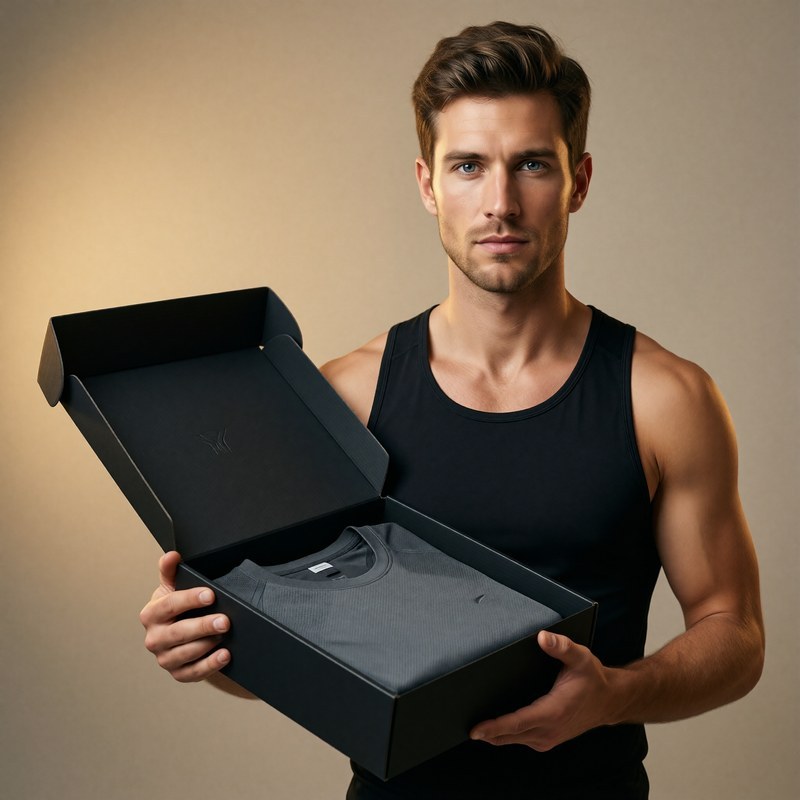
In direct-to-consumer sportswear, the moment a customer opens their package is often the first physical interaction they have with your brand. Research from Dotcom Distribution (2023) found that 60% of online shoppers say they are unlikely to repurchase from a retailer if an item arrives in poor or sloppy packaging. Conversely, over 65% of consumers are more likely to share an unboxing photo or video on social media when the packaging feels unique or gift-like. For a category where visual appeal drives both trust and word-of-mouth, custom packaging is not a cost center—it is a marketing channel.
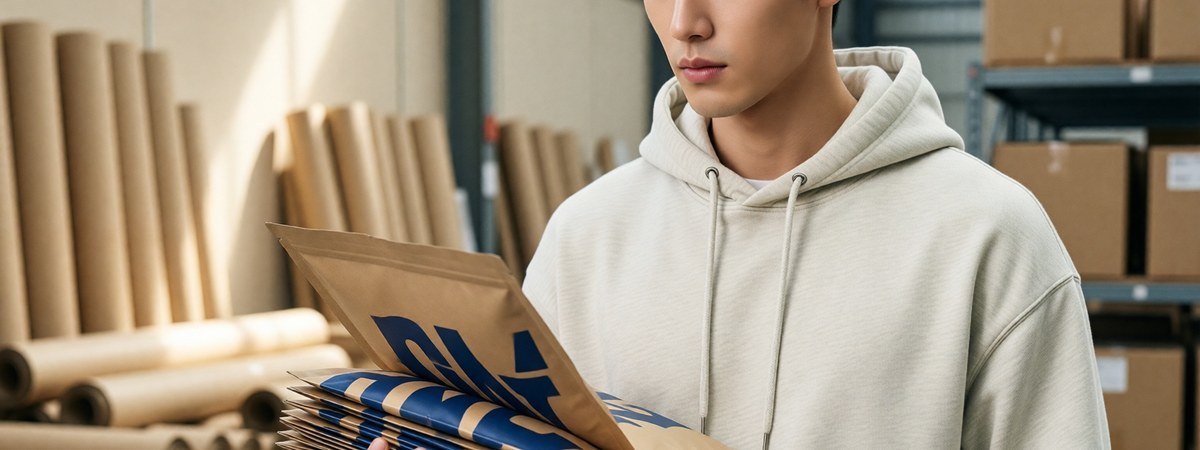
Why Packaging Is Your First Physical Brand Touchpoint
Unlike brick-and-mortar retail, where products sit on shelves surrounded by competitors, DTC brands control every detail of how their product arrives at the customer's door. A 2024 industry analysis by Baysource Global reported that the global e-commerce packaging market reached $91.22 billion in 2024, with the mailer packaging segment alone projected to expand to $124.13 billion by 2034. More importantly, 81% of consumers report having purchased a new product specifically because of its packaging design, and 72% agree that packaging directly influences their purchasing decisions.
The psychology behind this is well-documented. Neurologically, unboxing activates dopamine release—the same reward pathway triggered by surprise and novelty. When a package arrives with thoughtful branding, protective tissue paper, and a personalized insert, customers perceive higher value before they even try on the garment. West Coast Prep 3PL data shows that brands upgrading to premium unboxing experiences saw repeat-purchase rates double from 14% to 28% within 60 days, while organic Instagram shares jumped from under five per month to over fifty tagged stories.
Custom Poly Mailers: The Workhorse of Sportswear Shipping
Poly mailers remain the most widely used shipping solution for apparel and sportswear brands—and for good reasons. Made from LDPE (low-density polyethylene) or HDPE (high-density polyethylene), they are lightweight, waterproof, tear-resistant, and cost-effective. A typical custom-printed poly mailer adds roughly $0.08–$0.18 per unit compared to generic blank bags, yet delivers disproportionate brand visibility during the last mile of delivery.
Material options have expanded significantly:
- Standard LDPE/HDPE — Durable, moisture-resistant, available in 25–120 micron thicknesses. Ideal for everyday apparel where weight savings matter.
- rPET (recycled PET) mailers — Made from 30–100% post-consumer recycled content. GRS-certified options are increasingly demanded by EU and US retailers.
- Compostable mailers (PLA+PBAT) — Plant-based biodegradable alternatives that break down in industrial composting facilities. Popular among sustainability-focused DTC brands targeting Gen Z consumers.
- Kraft paper mailers — Fully recyclable, biodegradable, with a natural textured aesthetic that signals eco-consciousness at first glance.
Size matters too. Standard dimensions for sportswear include 9×12" (single tops), 10×13" (hoodies/light jackets), and 12×15" or 19×25" (full outfits or bulkier items). Right-sizing your mailer reduces material cost, lowers dimensional weight for shipping carriers, and eliminates excess void fill that customers perceive as wasteful.
Sustainable Packaging Materials That Don't Compromise Quality
Sustainability in packaging has shifted from a nice-to-have to a business necessity. According to Recycling Today's 2025 eco-packaging trends report, 74% of shoppers say sustainable packaging affects their buying decisions, and 56% are more likely to recommend a brand that uses environmentally responsible packaging. Regulatory pressure is accelerating this shift: the EU's Green Packaging Directive, the UK Plastic Packaging Tax (£210.82 per tonne for packaging below 30% recycled content), and Extended Producer Responsibility (EPR) laws in France, Germany, and the UK now require brands to prove packaging traceability and end-of-life plans.
Key material certifications and options for sportswear brands include:
- FSC-certified paper and cardboard — Guarantees raw materials come from responsibly managed forests. Used for rigid mailer boxes, hang tags, and belly bands. Often priced comparably to non-certified alternatives.
- Soy-based and water-based inks — Non-toxic, petroleum-free, and fully biodegradable. They maintain vibrant print quality without contaminating the recycling stream—a critical advantage over traditional solvent inks.
- Recyclable corrugated (3-ply / 5-ply) — Contains up to 80% recycled content, offers excellent cushioning for folded garments, and is accepted in virtually all kerbside recycling programs.
- Mono-material designs — Packaging made from a single material type (e.g., 100% paper-based) recycles far more easily than mixed-material constructions (plastic windows on cardboard, foil lamination).
The business case is compelling: lighter, right-sized packaging reduces freight costs; avoiding plastic taxes and EPR fees protects margins; and sustainability messaging resonates strongly with the 18–34 demographic that dominates sportswear e-commerce.
Hang Tags, Woven Labels & Care Labels: Small Details, Big Impact
While the outer package creates the first impression, the interior branding elements—hang tags, woven labels, care labels, and size stickers—communicate quality and attention to detail. These components cost pennies per unit but disproportionately influence perceived value.
Hang tags serve multiple functions: they display brand identity (logo, color palette, typography), convey product information (fabric composition, fit description, price), and can include a QR code linking to styling guides, size charts, or brand story videos. FSC-certified cardstock with soy-ink printing has become the industry standard for premium sportswear tags.
Woven labels—typically sewn into the neckline or side seam—add a tactile, permanent brand touchpoint. Damask weave (high density, fine detail) is preferred for logo reproduction, while satin weave works well for care instructions. Modern woven labels can be made from recycled polyester (rPET) or organic cotton to align with sustainability goals.
Care labels are legally required in most markets (FTC in the US, EU Textile Regulation in Europe) and must include fiber content, country of origin, and care instructions. Replacing multiple paper inserts with a single scannable QR-code care label reduces material waste while offering richer digital content (washing videos, fabric technology explanations, sustainability credentials).
Inserts & Thank-You Cards: Turning Unboxing into Community
If the box is the stage, inserts are the encore. Dollar Shave Club famously built a subscription empire partly through its monthly "Bathroom Minutes" mini-magazine tucked inside each shipment—an insert that turned a mundane delivery into anticipated entertainment. For sportswear brands, effective inserts include:
- Thank-you cards — Handwritten-style notes signed by the founder team. Jewelry startup Katia Designs credits handwritten notes for driving a flood of repeat buyers and positive reviews.
- Brand-story cards — A concise narrative about who you are, what you stand for, and why your manufacturing choices matter. This builds emotional connection beyond the transaction.
- Discount/referral cards — "Get 15% off your next order" or "Refer a friend, both earn $10." Data shows customers who experience personalized unboxing become repeat buyers at a 60% rate, while those who provide referrals demonstrate 25% higher customer lifetime value.
- Product-care guides — Washing instructions, fabric-care tips, and storage advice specific to performance fabrics. This reduces returns caused by improper care and positions your brand as an expert resource.
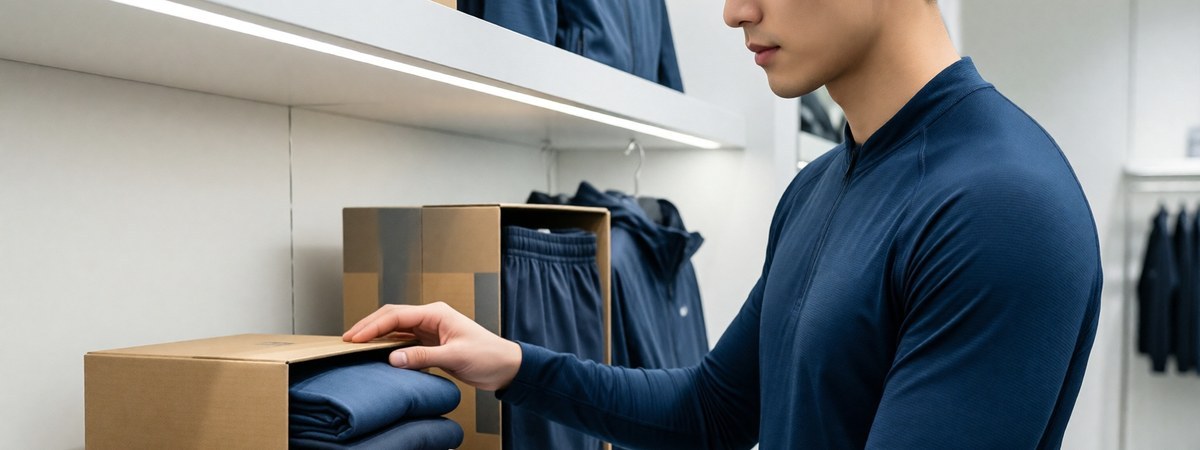
The key principle: inserts should feel like added value, not marketing clutter. One well-designed card outperforms three generic flyers.
Size-Specific Packaging: Right-Sizing for Every Product Category
Sportswear product lines span a wide range of shapes and sizes—from compression base layers (compact, foldable) to padded winter jackets (bulky, structured). Using one-size-fits-all packaging wastes material, increases shipping costs, and leaves smaller items rattling inside oversized boxes.
A smart packaging matrix might look like this:
- Tops / T-shirts / Base layers — 9×12" poly mailer or slim rigid box (~$0.06–$0.12/unit)
- Hoodies / Light jackets — 10×13" poly mailer or medium mailer box (~$0.10–$0.20/unit)
- Joggers / Pants — 12×15" poly mailer or tall box (~$0.12–$0.25/unit)
- Full outfits / Winter jackets — 14×18" or 19×25" poly mailer, or 5-ply corrugated RSC box (~$0.20–$0.45/unit)
- Gift sets / Multi-item orders — Custom rigid magnetic-close box with divider insert (~$0.80–$2.00/unit)
Right-sizing typically saves 10–25% on material costs and 5–15% on dimensional-weight shipping charges. It also improves customer perception: a garment that fits snugly in a properly sized package feels premium; one that swims in an oversized box feels like an afterthought.
Cost vs. Impact: How Much Should You Invest in Custom Packaging?
Packaging investment should be proportional to your average order value (AOV) and customer acquisition cost (CAC). Industry benchmarks suggest allocating 3–8% of COGS to packaging for mid-tier DTC sportswear brands, with premium/luxury brands spending up to 12–15%.
Quick ROI framework:
- Generic plain poly bag — ~$0.03–$0.06/unit. Zero brand value. High damage/return risk.
- Branded poly mailer (1-color print) — ~$0.08–$0.15/unit. Basic brand recognition. Good for early-stage brands.
- Full-color printed mailer + tissue + thank-you card — ~$0.30–$0.65/unit. Strong unboxing experience. Recommended for established DTC brands.
- Rigid custom box + branded insert suite — ~$0.80–$2.50/unit. Premium gift-like experience. Ideal for launches, holiday gifting, and high-AOV orders ($100+).
Baysource Global's 5 tariff analysis found that even with a 30% US tariff on Chinese goods, custom packaging sourced from China remains cost-effective for most DTC brands because MOQs start at just 500 units versus 10,000–50,000 units for domestic US manufacturers—a 20-to-100-fold difference that fundamentally changes the economics for emerging brands. When factoring in inventory carrying costs and obsolescence risk, the lower-MQ Chinese option often wins even after tariffs.
MOQ, Lead Times & Working With Your Manufacturer on Packaging
Your sportswear manufacturer can be your greatest packaging ally—or a source of frustration. Many full-service OEM/ODM factories offer integrated packaging services: they source custom mailers, print hang tags, assemble kits, and even apply shipping labels before the carton leaves the factory floor. This consolidation reduces coordination overhead, shortens lead times, and ensures packaging compatibility with your garment specs.
Typical lead times for custom packaging when ordered through your manufacturer:
- Stock hang tags / standard mailers — 3–7 days (manufacturer holds inventory)
- Custom-printed poly mailers (your artwork) — 10–18 days (includes plate/setup + production)
- Custom rigid boxes with special finishes — 18–30 days (tooling, sampling, bulk production)
- Fully assembled kit (garment + tags + mailer + insert) — Add 2–5 days to garment production timeline
When working with your manufacturer on packaging, provide detailed specifications: exact dimensions (inner and outer), material type and GSM/micron thickness, print file format (vector AI/PDF preferred with Pantone codes), and a physical sample for color matching. Request a pre-production sample of the complete packaged unit—not just the garment—to catch sizing mismatches, label placement errors, or protection gaps before bulk production begins.

Ready to elevate your brand's unboxing experience? Discuss custom packaging options with our team →
Frequently Asked Questions
What is the minimum order quantity for custom sportswear packaging?
MOQs vary by supplier and customization level. Chinese packaging manufacturers typically offer MOQs starting at 500 units for custom-printed poly mailers and 1,000–2,000 units for custom rigid boxes. Domestic US/EU suppliers often require 10,000–50,000 units per design. Many manufacturers also hold stock semi-custom options (pre-printed templates where only your logo is added) with MOQs as low as 100 units.
Is sustainable packaging more expensive than conventional options?
The gap has narrowed considerably. rPET mailers cost roughly 5–15% more than virgin LDPE equivalents. FSC-certified paper and soy ink are often priced identically to non-certified alternatives. Compostable PLA+PBAT mailers carry a 20–40% premium but appeal strongly to eco-conscious consumer segments. When factoring in potential tariff exemptions (e.g., UK Plastic Tax relief for >30% recycled content) and brand-premium pricing power, sustainable options frequently deliver equal or better net economics.
Should I use poly mailers or cardboard boxes for sportswear?
It depends on the product and brand positioning. Poly mailers are ideal for non-fragile, compressible items (t-shirts, hoodies, joggers, base layers) — they're lightweight, water-resistant, and cost-effective. Cardboard boxes (RSC mailer boxes or rigid gift boxes) are better for structured garments (jackets with zippers/hoods), multi-item orders, gift purchases, and any scenario where protection against crushing or presentation quality matters. Many brands use a hybrid approach: poly mailers for everyday orders, upgrade boxes for orders above a certain threshold or during holiday seasons.
How do I make my packaging "Instagram-worthy" or "TikTok-ready"?
The most shareable packaging combines three elements: visual contrast (bold colors, foil accents, or unexpected textures like matte black with spot UV), layered reveal (tissue paper, a sealing sticker, then the product), and a personal touch (a handwritten-style note, a fun fact card, or a surprise freebie). TikTok unboxing videos have generated over 12.6 billion views globally — designing for filmability is now a legitimate growth strategy. Test your packaging by filming an unboxing yourself: if it looks dull on camera, your customers won't share it either.
Conclusion
Custom sportswear packaging sits at the intersection of logistics, marketing, and brand storytelling. The data is unequivocal: packaging influences whether customers repurchase, refer friends, and share your brand on social media. Whether you start with a simple branded poly mailer and thank-you card, or invest in a full rigid-box experience with sustainable materials and curated inserts, the key is intentionality. Every element — from the mailer material to the ink type to the wording on the thank-you card — should reflect your brand's values and speak directly to your customer's expectations.
For sportswear brands working with a full-service OEM/ODM manufacturer, packaging does not need to be a separate sourcing headache. Integrated packaging services mean your factory handles everything from hang-tag printing to final-kit assembly, ensuring consistency between your garment quality and your unboxing experience.
Want to explore custom packaging solutions tailored to your sportswear line? Contact our packaging specialists today →