Essential Guide to Choosing Custom Sportswear Manufacturers
- Share
- publisher
- Montforge-Bruin
- Issue Time
- Apr 6,2026
Summary
Discover how to select the right custom sportswear manufacturer with our comprehensive checklist, ensuring your products meet quality and performance standards.
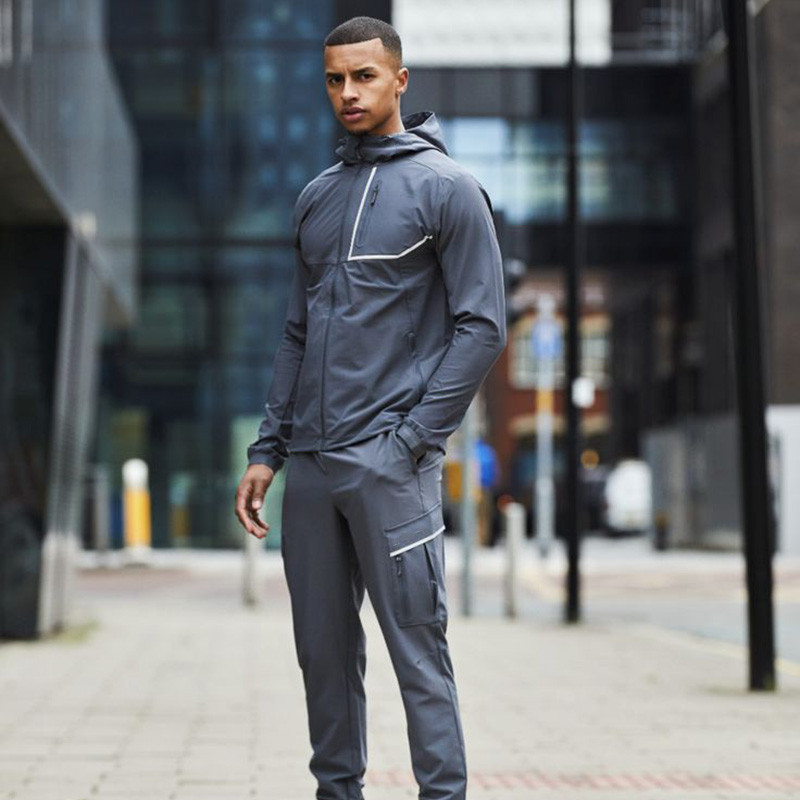
Selecting a custom sportswear manufacturer requires both supplier qualification and a product-level sample review. This guide focuses on how to connect the two: use the same brief, identify the differences and approve a production reference that can be reproduced.
A reliable partner transforms a sketch into a high-performance garment; an unreliable one can result in missed seasons and a tarnished reputation. This guide provides a comprehensive checklist to help you vet, select, and scale with the right production partner
1. Understanding the Strategic Value of Your Manufacturing Partner
In the modern apparel landscape, your manufacturer is more than a vendor; they are a silent co-founder. When searching for a custom sportswear manufacturer, you are looking for an entity that can navigate the complexities of technical fabrics and international logistics.
Why Quality Manufacturing is Non-Negotiable
-
Performance Reliability: Unlike fast fashion, sportswear must withstand high-intensity movement, sweat, and frequent washing.
-
Brand perception: a coverage, fit or durability problem can affect customer trust. Identify the relevant failure conditions during development.
-
Supply continuity: review the material route, production site and contingency arrangements. An integrated service does not eliminate global disruption.
2. The Master Checklist: How to Evaluate a Custom Sportswear Manufacturer
Use these four areas to qualify a candidate, then test the proposal through the actual product samples.
Pillar I: Technical Fabric Expertise and Innovation
Sportswear is defined by its materials. A top-tier custom sportswear manufacturer must demonstrate a deep understanding of fabric science.
-
Moisture Management: Can they provide lab-tested moisture-wicking fabrics?
-
Stretch and recovery: identify the nominated material and test it with the intended garment fit. A fibre ratio alone does not establish support or recovery.
-
Finishes: define the purpose of any water-repellent or antimicrobial treatment, then request evidence for the actual material, claim and destination requirements.
-
Material evidence: separate recycled-content traceability from harmful-substance article testing. Request documentation for the claim you intend to make.
Pillar II: Craftsmanship and Advanced Construction
The difference between a "hoodie" and "performance gear" lies in the construction techniques.
-
Seam choice: evaluate extension, local comfort and strength on the intended garment. Flatlock construction does not automatically prevent chafing for every wearer or product.
-
Seamless Technology: Does the manufacturer have the machinery for high-end seamless knitting?
-
Branding Techniques: Look for versatility in logo application—Silicone 3D printing, reflective heat transfers, and high-density embroidery.
Pillar III: Certifications and Ethical Compliance
Match the evidence to the claim and production site:
-
amfori BSCI: review the named site's social-audit findings, date and corrective actions. It is not a product-quality certification.
-
ISO 9001: verify the management-system certificate's entity, site, scope and validity; it does not certify every garment.
-
Environmental claims: ask what process or outcome is measured, at which site and with what evidence.
Pillar IV: Communication and Project Management
The best factory in the world is useless if they don't answer your emails.
-
Language Proficiency: Is there a dedicated English-speaking account manager?
-
Tech Pack Fluency: Can they interpret complex technical packs without constant hand-holding?
-
Proactive Problem Solving: A great manufacturer tells you if a design choice will fail during production before they cut the fabric.
3. The Vetting Process: From Research to Sampling
Finding a custom sportswear manufacturer starts with a wide net but must end with a surgical focus.
Step 1: Initial Digital Screening
Use the website to identify relevant services and garments. Verify the business identity, named production site and document scope directly; certification badges and a polished page are only starting information.
Step 2: The "First Contact" Test
Send a detailed inquiry. A high-quality manufacturer will ask for your tech packs and quantities immediately. If their reply is vague or they promise "everything for the lowest price," proceed with caution.
Step 3: The Sampling Phase (The Ultimate Litmus Test)
Never go straight to bulk production. The sampling phase is where you test the manufacturer's:
-
Schedule: were the sample date and its dependencies agreed, and were changes communicated?
-
Accuracy: Does the fit match your size chart? Is the color (Pantone) correct?
-
Communication: How do they handle your feedback for Revision 2?
After qualification, compare what the factories actually made
An initial supplier review asks whether the factory is a plausible partner. A physical sample comparison asks whether it can interpret this garment. Use the second stage to test the assumptions made during the first.
Keep a common brief and evaluate the resulting samples against it. Identify whether each difference is a failure to meet the specification, an open design decision or an improvement proposed by the supplier.
| Review item | Record the observation | Decision to make |
|---|---|---|
| Measurements | Agreed method, garment point and actual result | Accept, correct or clarify the specification |
| Material | Reference, finish and garment behaviour | Confirm the nominated bulk material |
| Construction | Location and nature of the issue | Approve a specific correction |
| Decoration | Size, placement and care-trial result | Confirm process and artwork revision |
| Fit | Intended wearer and movement feedback | Decide whether the pattern or grading needs revision |
A sample score needs an explanation
An overall quality rating can hide a critical issue. A beautiful sample may have the wrong material, while a workable development sample may still need a documented fit revision. Rank the issues by importance to the product rather than averaging everything into one number.
Send corrections that the factory can act on. Use photographs, measurement references and numbered comments. Ask for the proposed response and any effect on cost or timing.
Close the loop before selecting the bulk reference
When the next sample arrives, confirm which issues were resolved and whether the correction introduced another problem. Keep the version identifiable. Approval should specify which elements are accepted and what is still conditional.
If the sample used substitute material, do not silently treat it as approval of the final fabric. The sealed reference and written production file should agree.
For earlier qualification, use the factory checklist; for prototype-to-production approval, use the sampling guide. Keep this sample comparison focused on the specific differences that need a decision.
4. Avoiding Common Pitfalls in Sportswear Sourcing
Many entrepreneurs fall into the same traps when choosing a custom sportswear manufacturer. Here is how to stay ahead:
| Pitfall |
The Solution |
|---|---|
| Price alone | Reconcile material, construction, quantity and delivery scope before interpreting a difference. |
| Unclear minimums | Identify garment, material and trim commitments for the intended style and colour mix. |
| Unspecified inspection | Agree the checks, sampling where used, defect categories and release decision for the actual lot. |
5. Reviewing a MontForge Proposal
Evaluate MontForge using the same garment brief and sample criteria applied to the other candidates.
Integrated OEM & ODM Services
Describe whether the project begins with a complete tech pack, an existing base or an unresolved concept. Request the included pattern, material, sample and manufacturing work in writing.
Global Standards, Local Expertise
Ask which documents apply to the named entity, site and nominated material. Keep those documents separate from the garment's fit, construction and performance acceptance. ISO 9001 is a management-system standard, not an individual garment certification.
6. Frequently Asked Questions (FAQ): Navigating Your Custom Sportswear Manufacturer Search
Selecting a custom sportswear manufacturer involves many technical and logistical nuances. Here are the most common questions our clients ask during the vetting process.
Q1: What is the typical Minimum Order Quantity (MOQ) for custom sportswear?
Answer: Ask for the minimum by style and colour and any separate material or trim purchase. Confirm who owns unused stock and whether an existing material or base garment changes the commitment.
Q2: How long does the sampling process take for a new design?
Answer: Obtain a sample schedule for the chosen material and development questions. Separate initial pattern work, material procurement, sample making and revisions. Confirm when the clock starts and what the proposed date assumes.
Q3: How do you ensure the quality of high-performance fabrics?
Answer: Identify the material and tests relevant to the garment, including method, sample reference and acceptance criteria. Agree the incoming, in-process and final checks for the order. An inspection plan and a laboratory report serve different purposes.
Q4: Can you handle full private label services, including branding and packaging?
Answer: Define the required branding and packing tasks in the quotation. Approve artwork, labels, decoration and the completed pack. Any biodegradable, recycled or similar material claim should have its own applicable evidence.
Q5: What certifications should I look for in a sportswear factory?
Answer: Choose documents for the intended use and customer requirements. Check audit or certificate identity, scope, validity and the covered article or site. A social audit and an article certificate do not guarantee all ethical, safety or performance outcomes.
Q6: How are shipping and logistics handled for international orders?
Answer: Agree transport and import responsibilities, delivery terms, document ownership and the receiving date. Request a route-specific quote; smooth clearance and on-time delivery should not be guaranteed before the shipment conditions are known.
Q7: Do you offer design assistance if I only have a concept and not a tech pack?
Answer: While having a tech pack is ideal, as an experienced custom sportswear manufacturer, MontForge provides ODM (Original Design Manufacturer) services. Our design team can help translate your mood boards or sketches into professional technical blueprints, ensuring the final garment is both aesthetically pleasing and functional for athletes.
7. Conclusion: Building a Long-Term Partnership
Select the manufacturing partner using both business qualification and evidence from the garment. Keep technical requirements, ethical sourcing information and communication responsibilities clear.
By following this checklist, you aren't just buying clothes; you are building a supply chain that can support your brand's ambitions for years to come.
Ready to start your production journey?
Visit