How Much Does It Cost to Manufacture Custom T-shirts in 2026? (A Complete B2B Pricing Guide)
- Share
- publisher
- Montforge Production Team
- Issue Time
- Apr 29,2026
Summary
Navigate the 2026 shift in custom t shirt cost with this B2B guide. We break down the $6–$25 price gap, analyzing how bulk t-shirt pricing is driven by order volume, sustainable fabrics, and technical innovations like 3D embossing and laser perforation. Featuring a 2026 cost matrix and sourcing strategies for Outdoor Adventure gear, this guide helps brands optimize tech packs and vertical manufacturing for maximum ROI.
1. Introduction
"How much does it actually cost to manufacture custom t-shirts?". This is the number one question we hear from brand founders and procurement managers. In 2026, the landscape of custom apparel manufacturing is shifting. Between supply chain realignments, the surge in demand for sustainable fabrics, and advancements in automated production, old pricing models no longer apply.
For B2B buyers looking to scale, understanding these dynamics is crucial. Right now, the core price range for a custom t-shirt sits anywhere between $6 and $25 per unit. But what drives that massive gap?. This guide breaks down real manufacturing costs in 2026 to help you make informed, profitable sourcing decisions.
2. 2026 Pricing Snapshot: The Custom T-Shirt Cost Matrix
To give you a clear baseline, we have compiled a snapshot of expected industry averages for 2026.
| Order Quantity (MOQ) | Basic Quality (Promotional) | Premium Quality (Retail-Ready) | Technical Quality (Performance) |
|---|---|---|---|
| 12-24 Units | $15 - $22 / unit | $20 - $30 / unit | $35 - $50+ / unit |
| 50-99 Units | $8 - $12 / unit | $12 - $20 / unit | $25 - $40+ / unit |
| 100-249 Units | $7 - $11 / unit | $11 - $18 / unit | $20 - $35+ / unit |
| 500+ Units | $6 - $10 / unit | $10 - $14 / unit | $15 - $25+ / unit |
Basic: Standard carded cotton with simple screen printing.
Premium: Combed/ring-spun cotton or eco-blends with DTG/DTF.
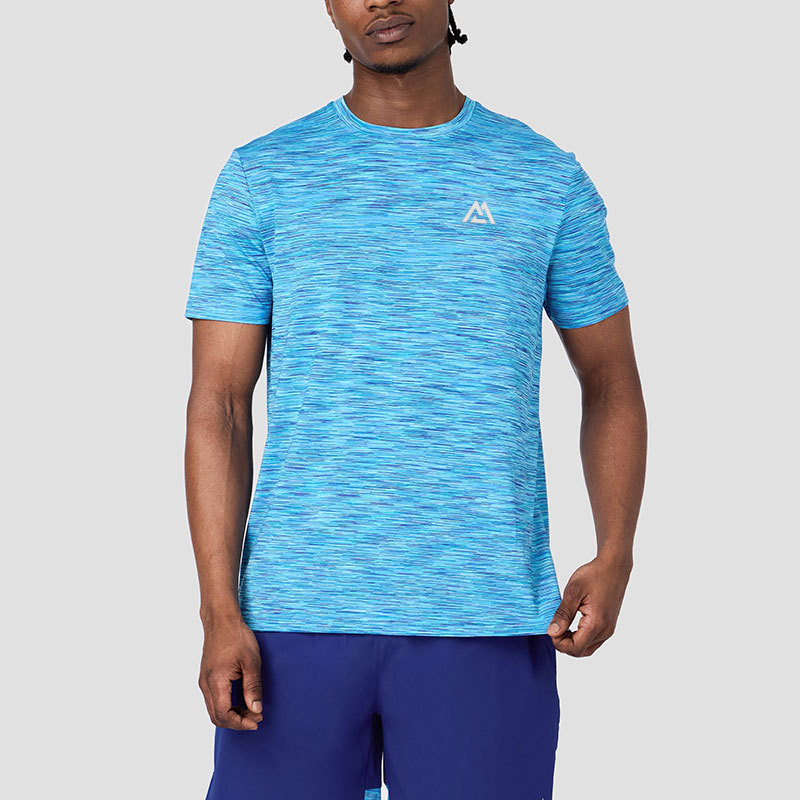
Technical: Performance fabrics featuring advanced techniques like laser perforation or 3D embossing—a Montforge specialty.
3. Deep Dive: The 5 Pillars Dictating Custom T-Shirt Costs
Understanding these five pillars will empower you to engineer your product for better margins without sacrificing quality.
A. Quantity & Economies of Scale
Volume is the single biggest lever you can pull to lower your unit cost. Manufacturing involves fixed setup costs—screen preparation, ink mixing, and machine calibration. Scaling up amortizes these costs across more units, drastically reducing the price per shirt.
B. Fabric Weight & Composition
In 2026, fabric choice dictates retail value.
The GSM Factor: A lightweight 180 GSM tee is cost-effective for summer, while a heavyweight 280 GSM tee offers the premium drape streetwear brands demand. Upgrading weight can increase base fabric costs by 15% to 30%.
Sustainability: The market is pivoting toward Recycled Polyester and eco-blends. While slightly more expensive, the brand equity and retail markup they allow are substantial.
C. Printing Techniques
Screen Printing: The king of large bulk orders. The per-unit cost plummets at high volumes (500+ units).
DTF & DTG: Ideal for low-MOQ, high-color-count projects in 2026. These digital methods have no setup fees, making them cost-effective for small batches.
3D Embossing & Reflective Prints: Essential for technical or outdoor brands. These require specialized machinery, adding a premium to the manufacturing cost.
D. Design Complexity
Print Locations: Every placement (front, back, sleeve, neck label) requires a separate setup and run. Adding labels and sleeve hits can add $1.50 to $5.00 to your unit cost.
Color Count: In screen printing, simplifying artwork to 2 or 3 colors is a quick win for cost reduction.
E. Logistics & Geopolitics
In 2026, you must factor in the journey from the factory floor to the warehouse. Global shipping rates and cross-border trade policies impact landed costs.
4. Specialized Focus: The Cost of Outdoor & Technical T-Shirts
At Montforge, we know technical tees are a different ballgame.
Laser-Perforated Ventilation: This technique uses precision lasers for targeted breathability, requiring advanced CAD programming and specialized machinery.
Advanced Moisture-Wicking: This requires specialized synthetic blends and chemical finishing processes to pull moisture away from the skin.
Case Study: Basic vs. Performance Tech Tee
| Feature | Basic Promotional Tee | High-Performance Tech Tee |
|---|---|---|
| Fabric | 180 GSM Standard Cotton | 200 GSM Recycled Poly/Nylon Blend |
| Construction | Overlock Stitching | Flatlock Seams, Laser Perforation |
| Typical MOQ | 500+ Units | 100 - 250 Units |
| Est. Unit Cost | $8 - $15 | $18 - $30+ |
5. B2B Sourcing Strategies: How to Lower Your Unit Cost
Bulletproof Tech Packs: Detailed specifications eliminate guesswork and costly production errors.
Vertical Manufacturers (Like Montforge): Cutting out middleman markups ensures stricter quality control and direct communication with the production floor.
Phased Production: Commit to a large volume to secure bulk discounts, but schedule manufacturing in staggered batches to keep inventory lean.
6. FAQ: Custom T-Shirt Manufacturing Costs
Q: What is the average cost for bulk orders in 2026?
Basic shirts average $6-$10, premium ranges $10-$14, and technical gear costs $15-$25+.
Q: Why do sustainable fabrics cost more?
They require complex, certified supply chains and advanced processing technology.
Q: Which is more cost-effective: Screen Printing or DTG?
Screen printing for large runs (100+ units); DTG/DTF for small batches or complex artwork.
Q: What is a standard MOQ?
50-100 units for basic apparel; 100-250 units for specialized technical sportswear.
7. Conclusion
In 2026, sourcing custom t-shirts is no longer just a race for the lowest price—it’s about fabric innovation and manufacturing precision. Choosing a partner who understands technical apparel is the most profitable decision you can make.
Planning your 2026 collections? [Get Your Custom B2B Quote from Montforge]