How Nike Created Dri-FIT Fabric
- Share
- publisher
- Montforge-Bruin
- Issue Time
- Mar 16,2026
Summary
Discover how Nike developed Dri-FIT fabric technology to revolutionize moisture-wicking sportswear and how this innovation shaped the modern activewear industry.

In modern sportswear design, moisture management has become a critical factor in athlete comfort and performance. One of the most influential innovations in this field is Dri-FIT fabric, developed by Nike to help athletes stay dry during intense physical activity.
Before the introduction of advanced moisture-wicking materials, many athletes trained in cotton garments that absorbed sweat and quickly became heavy and uncomfortable. Nike engineers set out to solve this problem by developing a lightweight synthetic fabric that could move sweat away from the body and allow it to evaporate rapidly.
The result was Dri-FIT, a fabric technology that has since become one of the most recognizable innovations in the global sportswear industry.
The Technology Behind Dri-FIT Fabric
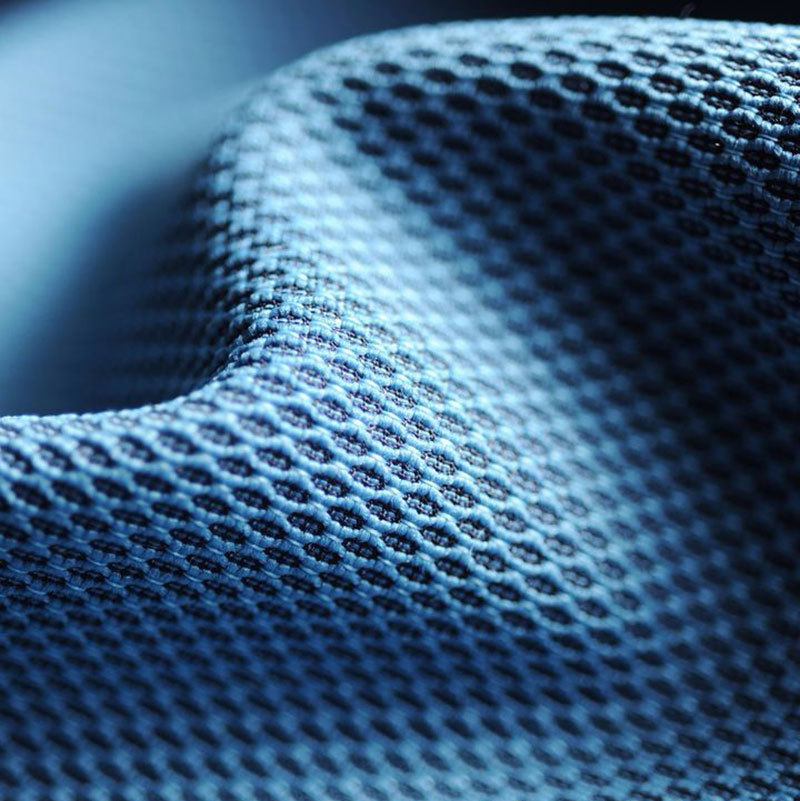
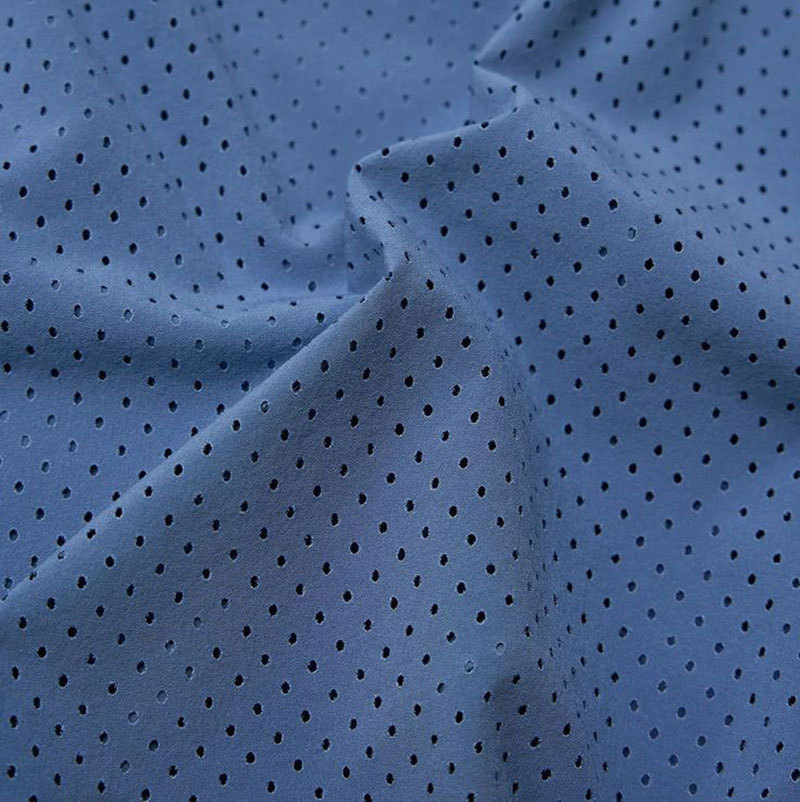
Unlike traditional fabrics that absorb moisture, Dri-FIT uses specially engineered polyester microfibers designed to transport sweat from the skin to the outer surface of the fabric. Once the moisture reaches the surface, it spreads across the material and evaporates quickly.
Key features of Dri-FIT fabric include:
Moisture-wicking microfiber polyester
Lightweight and breathable knit structures
Fast-drying performance
Stretchable fabric construction for athletic movement
These characteristics allow athletes to maintain comfort and regulate body temperature even during high-intensity training sessions.
Today, Dri-FIT technology is used in a wide range of products, including:
Training tops
Football jerseys
Athletic base layers
The innovation has helped establish a new standard for performance apparel worldwide.
Sustainability and the Next Generation of Sportswear
In recent years, Nike has expanded its focus beyond performance by integrating sustainability into fabric innovation. Many modern Dri-FIT garments are now made using recycled polyester, which reduces reliance on virgin plastic materials and lowers environmental impact.
This initiative is part of Nike’s long-term sustainability strategy known as Move to Zero, which aims to reduce carbon emissions and waste across the company’s global supply chain.
The strategy focuses on several key areas:
Increasing the use of environmentally preferred materials
Reducing greenhouse gas emissions in manufacturing
Recycling production waste into new textile materials
Improving water efficiency in fabric dyeing and finishing
Nike has also been exploring advanced circular textile technologies that convert textile waste into new performance fabrics, demonstrating how sustainability and performance can coexist in modern sportswear.
How Dri-FIT Influenced the Global Sportswear Industry
The success of Dri-FIT technology had a profound impact on the sportswear market. After its introduction, nearly every major athletic apparel brand began developing its own moisture-management fabrics.
Today, moisture-wicking materials have become a standard feature in activewear, shaping product development across running apparel, gym clothing, and outdoor performance gear.
Fabric innovation continues to drive competition within the industry, as brands strive to create garments that offer better breathability, durability, stretch, and sustainability.
About Montforge
Montforge is a professional sportswear manufacturer specializing in custom activewear, outdoor apparel, and performance garments for global brands.
By closely studying innovations from industry leaders such as Nike, Adidas, and Arc'teryx, Montforge continuously improves its expertise in functional fabrics, garment engineering, and sustainable apparel production.
With strong experience in OEM and private-label sportswear manufacturing, Montforge helps emerging and established brands transform product concepts into high-quality finished garments.
Learn more about our capabilities at montforge.com.