OEM vs ODM vs Private Label: Which Custom Sportswear Model Is Right for Your Brand?
- Share
- publisher
- MontForge Production Team
- Issue Time
- Jun 8,2026
Summary
A complete comparison of OEM, ODM, and private label manufacturing for custom men sportswear brands.
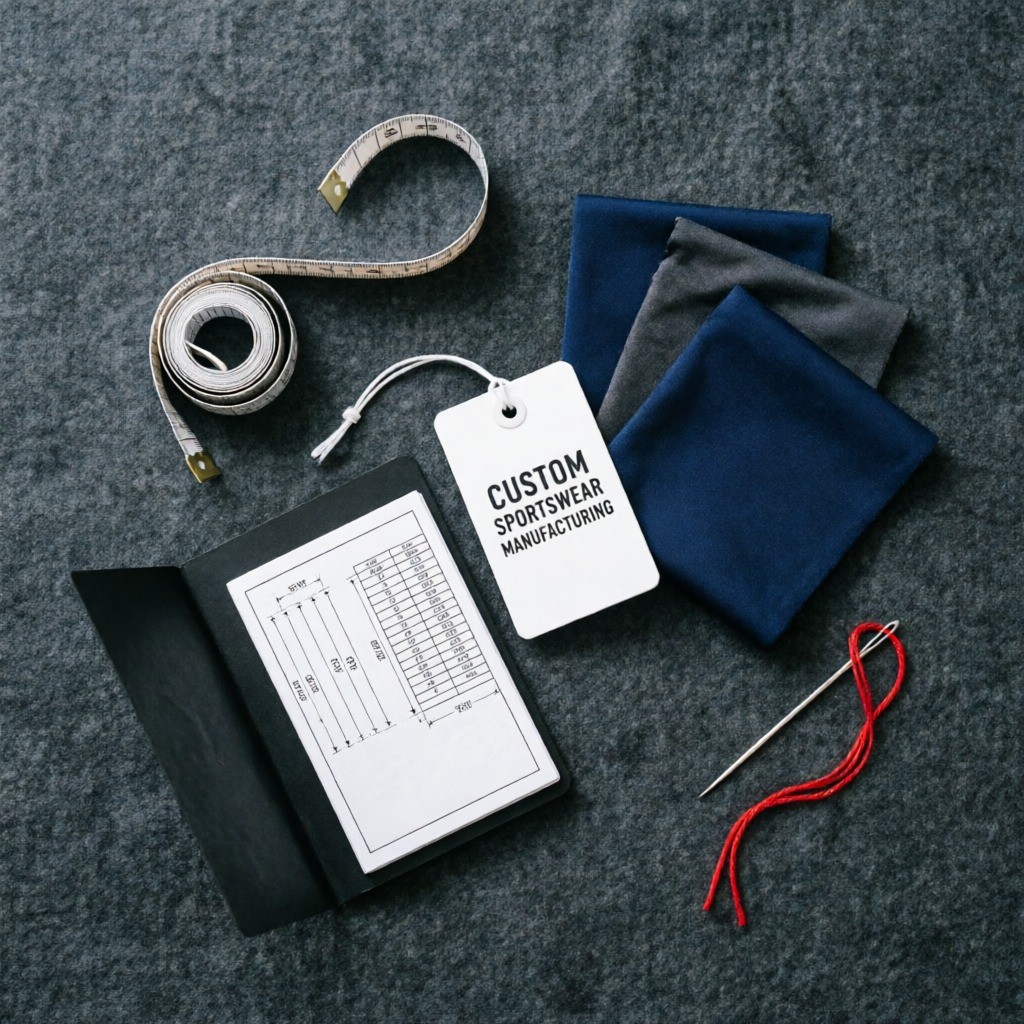
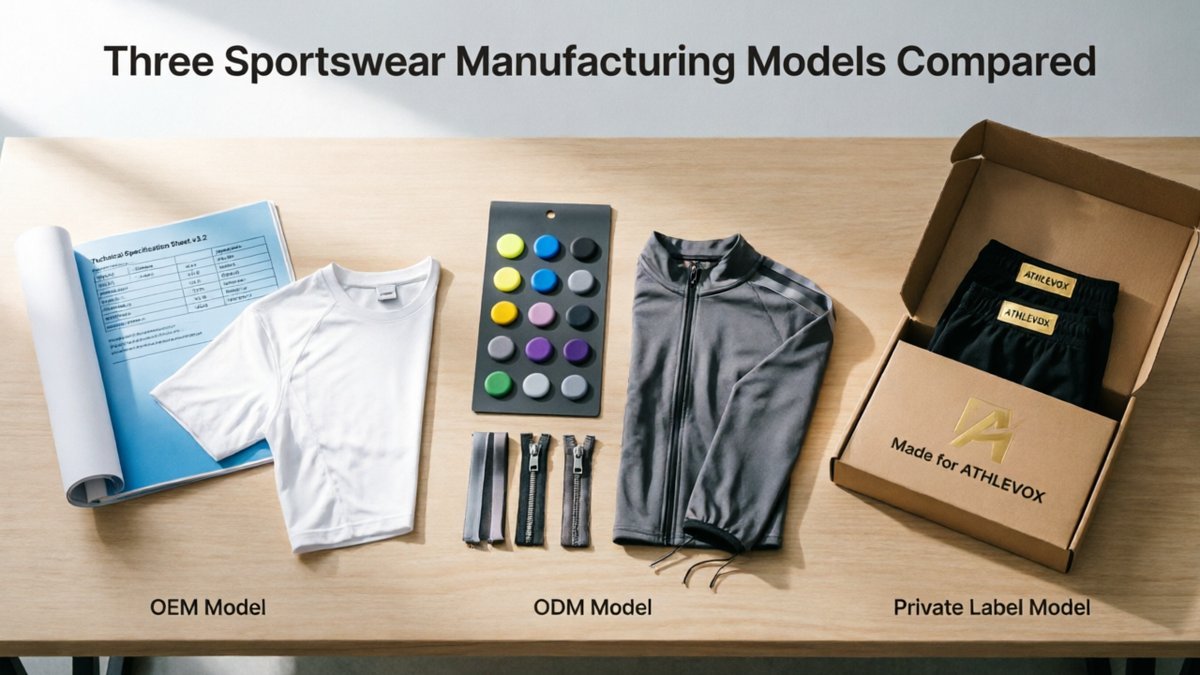
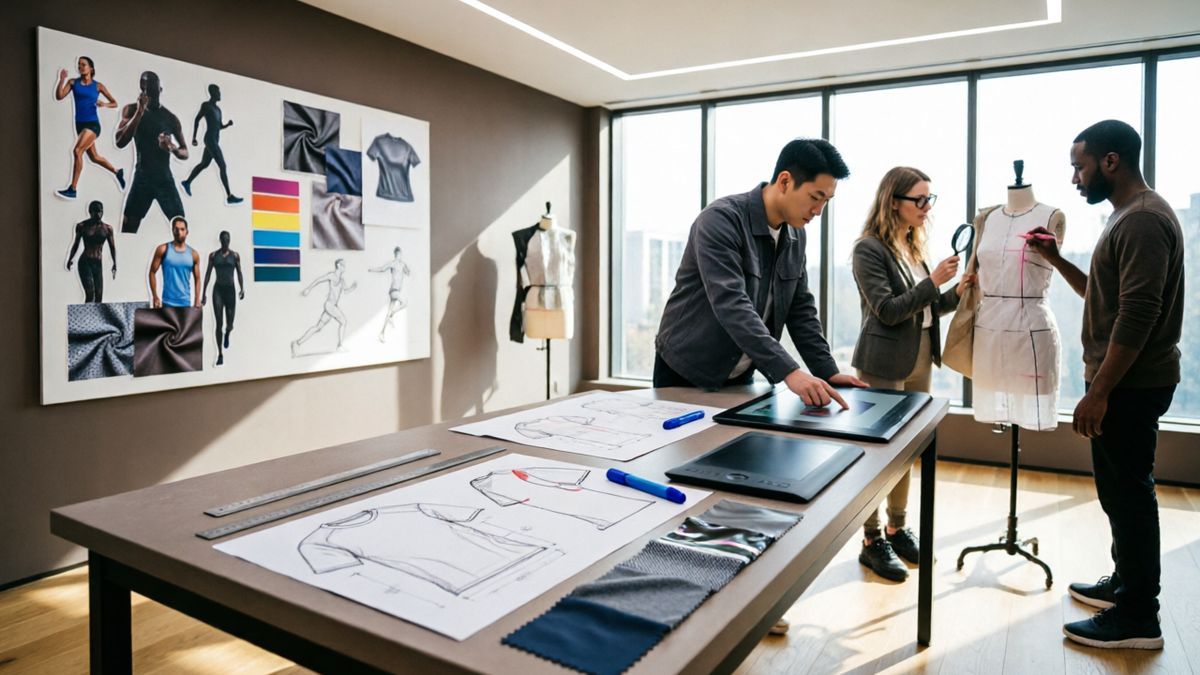
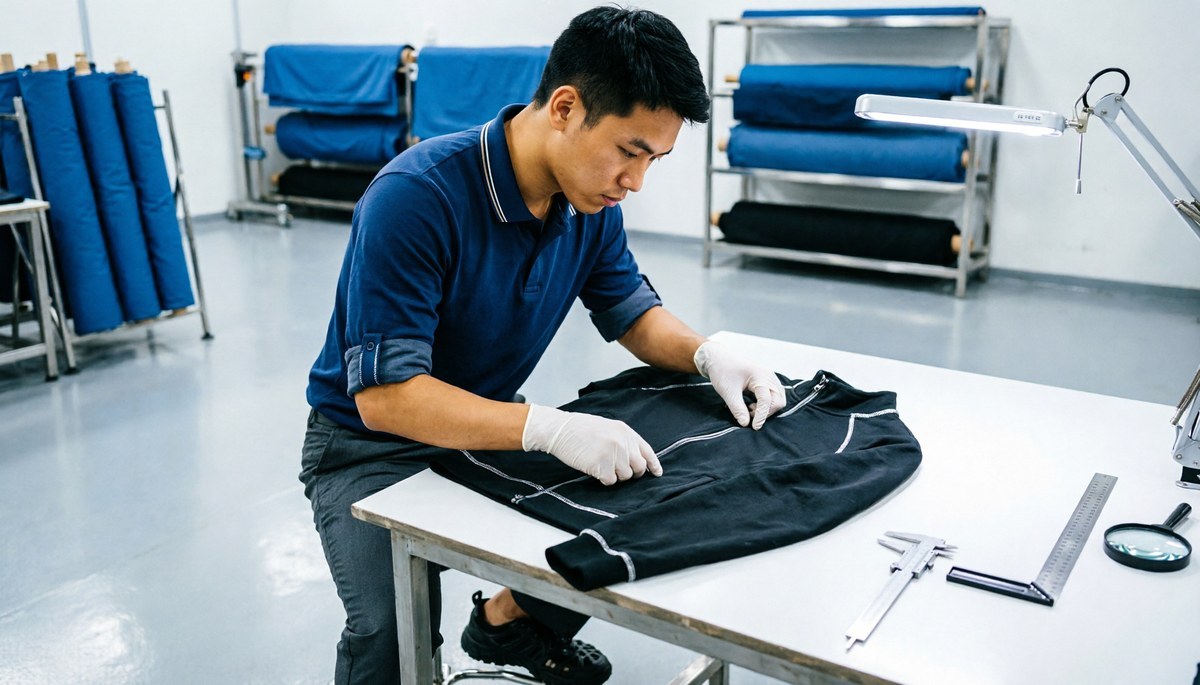
Every brand, whether a startup founder sketching their first collection or an established retailer expanding into performance menswear, faces the same foundational decision: which manufacturing model to use. The choice between OEM, ODM, and private label determines everything — your upfront investment, your control over design, your speed to market, and ultimately your profit margins. Yet most sourcing guides treat these three models as interchangeable options. They are not. Each serves a fundamentally different business need, and choosing the wrong one at the wrong stage can cost you months of development time and tens of thousands of dollars in avoidable sampling and tooling costs. This guide provides a framework-based comparison of OEM, ODM, and private label manufacturing for custom men's sportswear. It covers the operational differences, cost implications, quality control responsibilities, and decision criteria for each model — so you can select the right manufacturing partnership structure for your brand's current stage and growth trajectory. Each manufacturing model serves a distinct business need — understanding the difference is the first step toward the right partnership. MontForge supports all three models under one roof. Original Equipment Manufacturing (OEM) means you bring your own design, your own specifications, and your own technical documentation to the manufacturer. The factory executes your instructions — cutting, sewing, finishing — without contributing design input. You own the intellectual property; the factory owns the production capability. In practice, OEM works like this: your brand develops a detailed tech pack — garment sketches, measurement specs, construction details, fabric requirements, trim specifications, stitching instructions, packaging requirements. You source your own fabric or specify exact fabric standards. The manufacturer produces exactly what you have specified. Original Design Manufacturing (ODM) means the manufacturer develops the product design and you select from their existing templates, patterns, and fabric combinations. The factory has already developed the garment construction — you customise colours, branding, trims, and packaging. The manufacturer owns the base design IP; you own your brand identity applied to it. For men's sportswear, ODM is particularly relevant for brands entering technical categories — joggers with specific pocket constructions, compression tights with particular seam patterns, or outerwear with proven weatherproofing systems. The manufacturer has already solved the engineering problems; you benefit from tested construction without paying for R&D. MontForge's in-house design team works with clients to customise base constructions with brand-specific colours, trims, and finishes. Private label manufacturing is often confused with ODM, but there is a meaningful distinction. In a private label arrangement, the manufacturer produces goods that your brand sells under its own name — but unlike ODM, private label typically involves existing stock products or minimal-variation catalogue items that the factory already produces in volume. You are not commissioning a new production run for a customised base design; you are ordering existing products with your label attached. For men's sportswear, private label commonly applies to basics and core inventory items: standard athletic T-shirts, basic training shorts, blank hoodies, and bulk socks. These are commodity-adjacent products where the competitive differentiator is your brand marketing, not the garment construction itself. The right manufacturing model changes as your brand evolves. A single model that works for a startup will be wrong for the same brand 18 months later. Here is how the three options align with common brand development stages: At this stage, the priority is validation. You need to test product-market fit without betting your entire budget on one style. Private label lets you launch with branded basics at low commitment. If a silhouette performs well in sales data, you can graduate it to an ODM development for the next season — improving the construction and adding your design input while the market validates the category. You have proven product-market fit. Now the priority shifts to differentiation and margin improvement. ODM becomes the primary model: you choose proven base constructions from your manufacturer's catalogue, apply your brand's colour palette and signature trims, and build a cohesive collection without paying for original pattern development. Unit costs drop as order volumes increase, and your brand identity becomes embedded in the product itself, not just the label. At scale, OEM becomes both viable and strategically necessary. You now have the sales volume to meet higher MOQs, the design expertise to develop original patterns, and the brand equity that demands exclusive construction details. OEM lets you patent or protect your garment engineering, create signature fits that competitors cannot replicate, and negotiate the lowest per-unit pricing available. Brands at this stage typically run an OEM core collection alongside ODM test-and-expand lines for new categories. One of the most misunderstood differences between the three models is quality control responsibility. MontForge's Chinese production team conducts rigorous in-line and final QC inspections across all manufacturing models. In OEM, you own the quality standards entirely. The factory builds to your specification; if the spec is incomplete or the tolerances are poorly defined, the factory will produce to its default standards, which may not match your expectations. OEM requires a robust quality assurance process on your side: fabric testing, in-line inspection during production, and final random inspection before shipment. In ODM, the manufacturer owns the base quality standard because they have produced the same construction before. The risk is lower — the base garment has already been tested through previous production runs. Your QC focus should be on the customisation points: colour consistency of your selected trim colours, placement accuracy of your branding, and packaging quality. In private label, quality is standardised by the manufacturer. You receive the same product the factory already ships to other clients. Your QC check is primarily visual and dimensional — confirming that the labelled product matches the sample you approved before the order. The total cost of each model extends far beyond the per-unit price. Here is how the full cost picture compares: At 300 units per style (a common first order for emerging brands), the ODM model typically delivers the optimal balance of cost and exclusivity. At 1,000+ units, OEM becomes cost-competitive and offers full design ownership. Private label unit costs are typically 15–30% higher than ODM equivalents at the same volume, reflecting the manufacturer's margin for holding stock and the absence of volume commitment. Rather than asking "which model is best," ask these four questions in sequence: If yes — you have completed tech packs, graded patterns, and construction specifications — you are ready for OEM. If not, ODM or private label is the appropriate starting point. Below 300 units per style, OEM is structurally uneconomical. Private label works at 50–150 units. ODM becomes viable at 100–300 units. Choose the model your volume supports. If you need product in 30 days, the choice is private label or expedited ODM from a manufacturer with existing stock. OEM cannot deliver under 45 days without significant cost premiums. If your brand's competitive advantage depends on proprietary garment construction, you must use OEM. If brand marketing is your differentiator and the product itself is table stakes, ODM or private label is sufficient. Choosing the right manufacturing model determines everything from upfront costs to product exclusivity — align your choice with your brand stage and let MontForge's team guide the process. MontForge operates across all three models, with capabilities tailored specifically for premium men's activewear. Our approach is built on the understanding that a brand's manufacturing needs evolve, and the right partnership structure should evolve with them. For OEM clients, we provide a dedicated technical team to review your tech packs before production, conduct fabric and trim sourcing to your exact specifications, and maintain full IP separation — your patterns, your construction methods, and your proprietary details remain yours, protected by confidentiality agreements and physical security protocols in our pattern library. For ODM clients, our catalogue includes proven base constructions across technical joggers, training tops, outerwear shells, and performance hoodies — each developed through years of production data and field testing. You select the base, specify your colour palette and branding, and receive production-ready samples within 10–18 days. For private label clients testing new categories, our stock program covers core essentials with your label applied, MOQ starting at 100 pieces per SKU, and standard lead time of 20 days from order confirmation. There is no objectively "best" manufacturing model for custom men's sportswear. OEM, ODM, and private label each serve a specific business function at a specific brand stage. The brands that succeed are the ones that match their manufacturing structure to their current reality — not the one they aspire to in two years. Start with the model your volume, capital, and design resources support today. Plan the upgrade path to the next model as those constraints shift. And choose a manufacturing partner that can grow with you across all three models, so you never have to requalify a factory mid-journey. Learn more about MontForge's manufacturing capabilities | Discuss your project with our technical teamIntroduction: The Three Paths to Bringing Your Sportswear Brand to Life
1. What Is OEM Manufacturing in Sportswear?
Key Characteristics of OEM
Submit your tech pack for an OEM quote
2. What Is ODM Manufacturing in Sportswear?
Key Characteristics of ODM
Explore MontForge's ODM catalogue of proven base constructions
3. What Is Private Label Manufacturing in Sportswear?
Key Characteristics of Private Label
Inquire about MontForge's private label stock program
4. Head-to-Head Comparison: OEM vs ODM vs Private Label
Learn about MontForge's approach to all three manufacturing models
Factor OEM ODM Private Label Design ownership Your brand Manufacturer Manufacturer Customisation level Full (every spec) Moderate (colours, trims, branding) Minimal (label only) MOQ per style 500–1,000+ 100–300 50–150 Lead time 45–90 days 25–45 days 15–30 days Per-unit cost (at volume) Lowest Moderate Highest Upfront investment Highest (patterns, samples, tooling) Low (sample fee + branding) Lowest (just product cost) Brand differentiation Maximum Moderate Minimal Best for Established brands with design teams Growing brands entering new categories Startups testing the market 5. How These Models Map to Your Brand Stage
Startup Stage (0–12 Months)
Growth Stage (12–36 Months)
Scale Stage (36+ Months)
6. Quality Control by Model: Who Owns the Standards?
7. Cost Breakdown: What Each Model Actually Costs You
Upfront Costs
Cost Category OEM ODM Private Label Pattern development $300–$800 per style $0 (existing) $0 (standard) Sample development $80–$200 per sample $30–$80 per sample $10–$30 per sample Fabric sourcing $200–$500 (lab dips, testing) $0–$100 (from catalogue) $0 (from stock) Grading and marking $100–$300 per style $0 (existing) $0 (standard) Total upfront per style $680–$1,800 $30–$180 $10–$30 Unit Cost at Different Volumes
8. Making the Right Choice: A Decision Framework
Do you have original designs?
What is your minimum order capacity?
How fast do you need to launch?
How important is exclusivity?
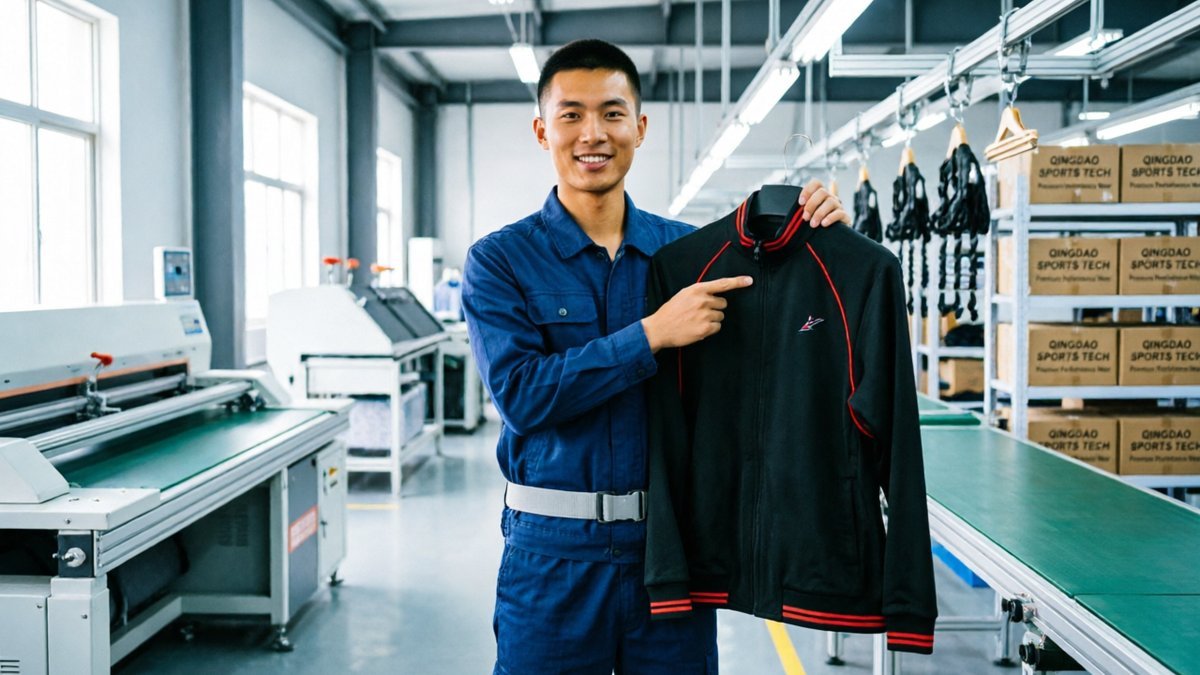
9. The MontForge Approach: Flexible Partnership Models
10. Common Mistakes Brands Make When Choosing a Model
Read more MontForge sourcing guides and manufacturing insights
Frequently Asked Questions
Conclusion: Match the Model to the Moment
Key Takeaway