Plus-Size Activewear Trends 2026: Why Most Brands Fail—and How MontForge Solves It
- Share
- publisher
- Montforge-Bruin
- Issue Time
- Apr 7,2026
Summary
Driven by growing demand for inclusive fashion, Europe’s plus-size yoga market is expanding rapidly. Buyers often face challenges such as poor fit, monotonous designs, and inconsistent quality. Successful products require breathable, stretchy fabrics and a cut that flatters the body’s curves. With its robust supply chain and cost advantages, China is the ideal place to find reliable manufacturers that combine innovation with flexibility.
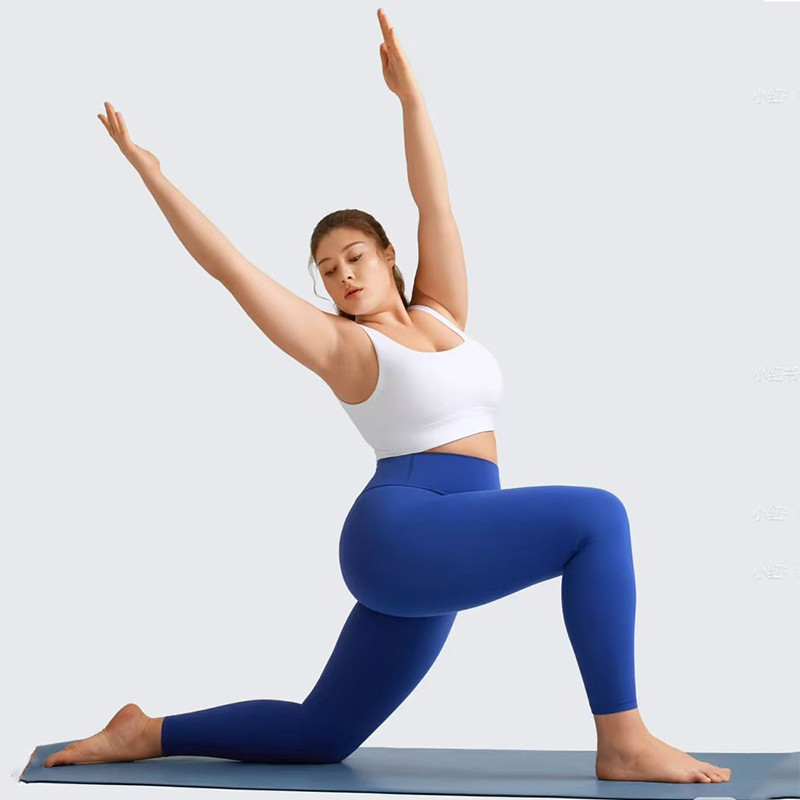
Developing Plus-Size Activewear for a Defined Customer
Start with the intended customer, activity and size range.
For a new product range, the commercial question is whether the garment fits, performs and can be repeated across the planned sizes.
This guide covers:
• Plus-size product and range planning
• Fit, material and construction questions
• Sample checks for the intended wearer
• Preparing a manufacturing discussion with MontForge
1. Fit and Construction Questions to Resolve
Fit: Evaluate the Starting Block and Grade Rules
A size extension should be evaluated against the target body measurements and intended fit rather than assumed correct from its label.
Review these potential fit problems on the actual samples:
·Poor fit (tight in arms, loose in waist)
·Lack of support in high-impact workouts
·Chafing and fabric stress issues
Record observations by wearer, sample size and movement. Avoid treating a general statement about customer frustration as a substitute for product testing.
Design: Preserve the Intended Product Across the Size Range
Confirm how the design behaves at the relevant sizes:
• Colour and material options should be checked for the actual order mix
• Placement, trim scale and panel proportions may need review across sizes
Keep the style direction separate from a fit correction:
• Define the desired silhouette and intended use
• Review design references with the target customer rather than assuming a trend applies to everyone
Ask what the design must achieve for the wearer.
Supply: Identify the Inputs Behind the Collection
Ask what the proposed order depends on:
·Fabric shortages
·Delayed shipments
·Rising costs
A late material or trim can affect both cost and the usable receiving date.
Result:
·Missed seasonal launches
·Inventory risks
·Lost retailer confidence
Service: Define the Development Work
Clarify the tasks needed beyond sewing:
·Offer limited fabric choices
·Lack private label flexibility
·Cannot scale from startup to bulk
The buyer should know which decisions remain with the brand.
2. Product Decisions for the Planned Range
Size Range
• Select the range using the target customer and commercial plan
• Keep body measurements separate from finished-garment measurements
• Confirm grade rules and where a different block may be needed
Material and Movement
Select properties for the actual activity and garment:
·Moisture-wicking fabrics
·4-way stretch
·Anti-chafing seams
• Support or compression appropriate to the product brief
Do not infer support or recovery from elastane percentage alone.
Use Beyond the Workout
Identify the settings in which the product will be worn:
·Daily wear
·Travel outfits
·Social media fashion
Check how those uses affect the required garment:
·Stylish silhouettes
·Multi-functional designs
Material and Production Claims
If a material or process claim is part of the proposition, request evidence:
·Recycled fabrics
·Ethical manufacturing
·Transparent supply chains
3. Questions for the Manufacturing Proposal
Ask the development team to explain:
• Relevant experience with the intended fit and size range
• Who develops and checks the patterns
• Which changes are possible during sampling
• Minimums by material, style and colour
• What design support is included
• How the accepted references reach production
Grading and Pattern Engineering Work Together
Plus-size development should not be reduced to a choice between grading and pattern engineering. A size range needs an appropriate starting block, defined grade rules and validation across the intended sizes. The practical issue is whether that system produces the required fit and movement.
Begin with the target wearer and body-measurement reference. Keep body measurements separate from finished-garment measurements. Decide where a different block or proportion may be required, then test the decision rather than assuming one rule will work indefinitely across the range.
Review fabric and fit together
A waistband issue may involve rise, shape, elastic, seam position or material recovery. A coverage problem may change with size, movement and stretch. Treating each issue as a fabric defect alone can lead to repeated revisions without resolving the cause.
| Development question | Evidence to collect |
|---|---|
| Does the intended shape work across sizes? | Measurements and fit comments from the planned sample range |
| Does coverage remain suitable in movement? | Defined positions, lighting and garment tension |
| Does the waistband behave as intended? | Feedback tied to fit, material and construction |
| Does the product recover after use and care? | Before-and-after observations using agreed conditions |
| Do design details remain proportionate? | Placement and appearance checks on the sizes being sold |
One approved size does not answer every question
Choose sample sizes that can expose changes in proportion. If a design detail moves or behaves differently at the ends of the range, record whether it needs a size-specific adjustment. This is a development decision, not evidence that customers in a size category all want the same aesthetic.
Keep design choice separate from fit correction. Do not use a larger label to conceal an unresolved measurement or coverage problem.
Connect development to a usable production reference
Approve the relevant samples, measurement chart, material and construction details together. Record which changes trigger another fit or coverage review. A material substitution may require more than matching fibre content.
A clear product definition supports a more controlled bulk release. Measure commercial outcomes such as returns against real orders and causes before attributing an improvement to one development change.
4. Discussing Plus-Size Activewear with MontForge
Who is MontForge?
MontForge offers custom sportswear development enquiries, including:
·Plus-Size Activewear
·Private Label Activewear
·OEM / ODM Sportswear Production
·High-performance gym wear
Agree the Development Scope
Fit Development
Discuss the starting block, grade rules and required sample sizes.
• Identify the pattern reference and revision
• Plan fit feedback for the intended body-measurement range
• Review the construction required for support and comfort
Record the accepted and unresolved features before bulk release; a lower return rate is a result to measure, not promise from the brief.
Design Development
Discuss the product direction and practical manufacturing choices:
• Customer and activity references
·Athleisure + lifestyle integration
• Agreed colours and assortment
Decide which design changes are essential and which can remain optional.
Material and Production Planning
• Nominate the material and review sourcing alternatives
• Confirm the order calendar and its starting conditions
• Identify minimums and any excess material commitment
Use the actual proposal to decide whether the commitment is manageable.
Private-Label Scope
From concept to production:
·Custom fabrics
·Logo & branding
·Packaging solutions
·Product development guidance
Agree who owns each file, approval and packing task.
5. Prepare the Product Approval Record
Keep the manufacturing decision tied to:
• Relevant size samples • Nominated materials • Construction and artwork • Written order conditions
From Fit Development to Production
A plus-size range needs a coherent fit system and product references that can be used in production.
Before release, confirm:
·Take inclusive sizing seriously
·Partner with the right manufacturer
·Deliver both performance AND style
Ready to Build Your Plus-Size Activewear Brand?
Discuss a Custom Activewear Brief with MontForge
Whether you are:
·Launching a new brand
·Scaling an existing line
• Adding a new gym wear category
Share the intended size range, material direction, construction and order mix to discuss the next development step.