Screen Printing vs. DTG vs. Embroidery vs. Sublimation: The 2026 Ultimate Guide for Apparel Brands
- Share
- publisher
- Montforge Production Team
- Issue Time
- Apr 30,2026
Summary
Discover the ultimate 2026 guide to Screen Printing, DTG, Embroidery, and Sublimation. Learn how to choose the best technique for your apparel brand based on fabric, budget, and volume. Expert insights from Montforge on performance sportswear and premium branding.
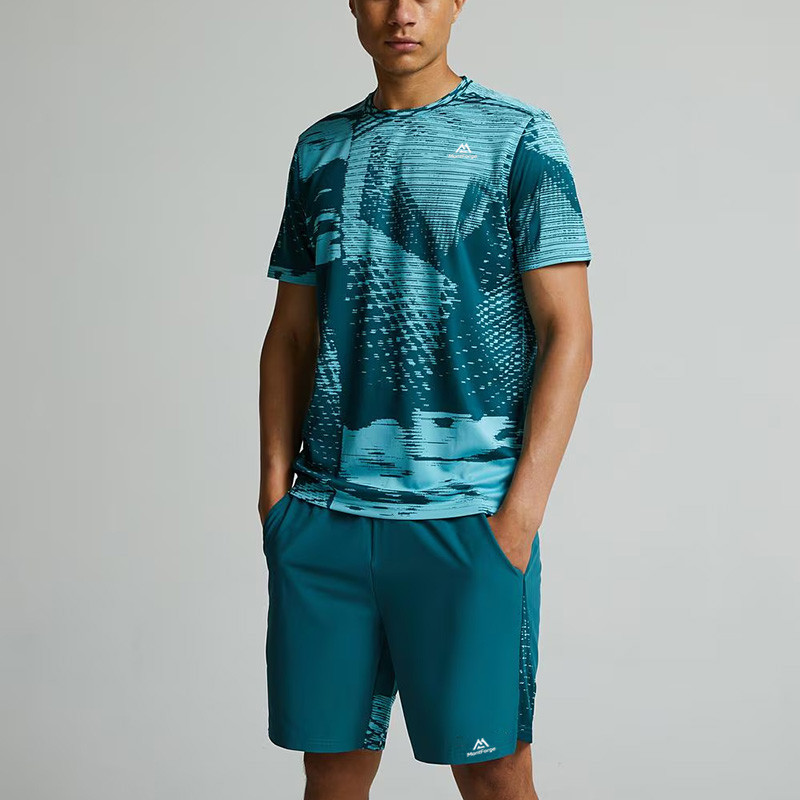
1. Introduction: The Decision-Maker's Balancing Act
Choosing the right apparel decoration technique is more than just a technical decision; it's a strategic one that can profoundly impact your brand's identity, product quality, and ultimately, customer loyalty. As the founder of Montforge, a brand forged in 8 years of navigating the complexities of global apparel manufacturing, I've witnessed countless emerging brands stumble at this critical juncture. The truth is, there's no single “best” technique, only the one that best suits your fabric, budget, and order volume. This guide aims to equip apparel brands with the knowledge to make informed decisions, ensuring their vision translates perfectly onto their garments.
Quick Answer:
• Bulk Orders (100+ units): Screen Printing. Unbeatable cost-efficiency for large runs.
• Detailed/Small Batch: DTG (Direct-to-Garment). Perfect for intricate designs and market testing.
• Premium Branding: Embroidery. Elevates perceived value and durability.
• Performance Sportswear (90%+ Poly): Sublimation. Maintains fabric integrity and breathability.
2. The Four Pillars: In-Depth Process Review
Understanding the nuances of each decoration method is crucial for making the right choice. Let's delve into the technical aspects, advantages, and limitations of the four primary techniques.
A. Screen Printing — The Industry Standard
Technical Keywords: Plastisol, Mesh screens, Color separation, Spot colors.
Screen printing, a time-honored technique, involves pushing ink through a woven mesh stencil onto a substrate. Each color in the design requires a separate screen, making setup more involved but yielding unparalleled results for specific applications.
Advantages:
• Cost-Effectiveness for Volume: The unit cost significantly decreases with larger order quantities, making it ideal for bulk production. This is why many established brands, including those Montforge partners with for large-scale uniform or promotional wear, often opt for screen printing once their designs are finalized.
• Vibrant & Durable Colors: Screen printing produces exceptionally vivid colors with excellent opacity, even on dark fabrics. The ink sits on top of the fabric, creating a tactile feel and superior wash durability that can withstand rigorous wear and repeated laundering.
• Versatility: Compatible with a wide range of fabric types, including cotton, polyester, and blends.
Limitations:
• Not Ideal for Gradients & Complex Details: Designs with intricate details, fine lines, or smooth color gradients can be challenging and costly to reproduce accurately.
• High Minimum Order Quantity (MOQ): Due to the labor-intensive setup process, screen printing typically requires a higher MOQ (usually 50-100+ units) to be economically viable.
• Limited Color Palette (per design): While colors are vibrant, the number of colors in a single design is often limited by cost and practicality, as each color requires a new screen.
Expert Insight: For brands focused on high-volume production of team uniforms, promotional merchandise, or street fashion with bold graphics, screen printing remains the undisputed champion for its cost efficiency and print quality. It's a go-to for Montforge clients who need consistent, durable branding across hundreds or thousands of garments.
B. DTG (Direct-to-Garment) — The Flexible Innovator
Technical Keywords: Inkjet, Water-based inks, 100% Cotton, Pre-treatment, On-demand.
DTG printing is akin to using a giant inkjet printer for textiles. It directly sprays water-based inks onto the fabric, allowing for photographic quality and a vast color spectrum without the need for screens.
Advantages:
• Unmatched Detail & Color Fidelity: DTG excels at reproducing complex, multi-colored designs, intricate details, and photorealistic images with millions of colors and smooth gradients. This makes it perfect for artistic illustrations or designs with subtle shading.
• Low to No MOQ: One of DTG's biggest draws is its ability to print single items cost-effectively. This flexibility is invaluable for startups, limited-edition drops, or market testing new designs without significant upfront investment.
• Soft Hand Feel (on light garments): On lighter-colored garments, the water-based inks are absorbed into the fabric, resulting in a very soft, almost imperceptible feel.
Limitations:
• Fabric Restrictions: DTG works best on 100% cotton garments. While some blends can be printed, the color vibrancy and wash fastness may be compromised. This is a crucial consideration for brands like Montforge, which often utilize technical blends for performance wear.
• Pre-treatment for Dark Garments: For printing on dark-colored garments, a pre-treatment solution must be applied, which can result in a slightly thicker hand feel.
• Cost per Unit: The cost per unit remains relatively constant regardless of quantity, making it less economical than screen printing for very large orders.
Expert Insight: DTG is the go-to for brands looking to test new collections, offer personalized products, or showcase highly detailed, multi-color artwork. It’s an excellent option for artists, e-commerce brands with on-demand printing models, and those prioritizing design complexity over extreme bulk cost savings.
C. Sublimation (Dye-Sublimation) — The King of Performance
Technical Keywords: 90%+ Polyester, Gas-infusion, Breathability, Moisture-wicking, All-over-print (AOP).
Dye-sublimation is a unique printing process where ink is heated until it turns into a gas, infusing directly into the fabric fibers. This creates a permanent, vibrant print that becomes part of the material itself, rather than sitting on top of it.
Advantages:
• Permanent & Imperceptible Print: The design is literally dyed into the fabric, meaning zero fading, zero cracking, and zero peeling. Crucially, it adds no extra layer or hand feel to the garment.
• Maintains Fabric Performance: Because the dye becomes part of the fiber, the fabric retains 100% of its original properties, including breathability and moisture-wicking capabilities. This is paramount for performance sportswear. In Montforge's Outdoor Adventure series, where technical fabrics like 3D embossed or laser-perforated materials are common, sublimation is our most recommended solution as it doesn't obstruct the fabric's natural breathing holes.
• Vibrant, All-Over Prints: Sublimation allows for vibrant, edge-to-edge printing, making it the top choice for All-Over-Print (AOP) designs that cover the entire garment, opening up vast design possibilities for sportswear and fashion apparel.
Limitations:
• Fabric Composition: Sublimation works almost exclusively on polyester fabrics (ideally 90% or more polyester content). It does not work effectively on natural fibers like cotton.
• Color Restrictions: It must be applied to light-colored or white fabrics. The dye is translucent, so it will blend with the base fabric color.
• Specialized Equipment: Requires specific printers, inks, and heat presses, which can be a barrier for smaller operations.
Expert Insight: For performance sportswear, activewear, and any garment where breathability, durability, and a no-feel print are paramount, sublimation is the superior choice. Montforge leverages this technology extensively for its technical outdoor apparel, ensuring our garments perform flawlessly in the most demanding environments.
D. Embroidery — The Pinnacle of Premium Branding
Technical Keywords: Stitch count, Digitizing, 3D Puff, Thread types.
Embroidery involves stitching a design directly onto the fabric using threads. It offers a classic, tactile, and highly durable finish that instantly elevates the perceived value of a garment.
Advantages:
• Unparalleled Premium Feel: Embroidery exudes a sense of quality and sophistication that other methods often cannot match. It adds a tangible, three-dimensional texture to the garment, making it ideal for high-end branding.
• Extreme Durability: Embroidered designs are incredibly resilient to washing, fading, and wear and tear. They often outlast the garment itself, making them a long-term branding solution.
• Versatility in Application: Works well on a wide range of fabrics, from delicate polyesters to heavy-duty cottons and fleeces, making it suitable for diverse apparel items like polo shirts, jackets, hats, and bags.
Limitations:
• Complexity & Detail Limitations: Fine lines, intricate details, and smooth color gradients are difficult, if not impossible, to achieve with embroidery. Designs need to be simplified and adapted for stitching.
• Weight & Stiffness: Large embroidered areas can add significant weight and stiffness to the fabric, potentially affecting comfort and drape, especially on lighter garments.
• Cost: Cost is determined by stitch count, meaning larger or more dense designs become significantly more expensive. A one-time digitizing fee is also required to convert artwork into a stitch file.
Expert Insight: Embroidery is the ultimate choice for brand logos, corporate apparel, and premium items where a sophisticated, long-lasting, and tactile brand presence is desired. It communicates quality and heritage, a characteristic Montforge values in its own branding and recommends to clients seeking to establish a strong, premium identity.
3. The Decision Matrix: Your Strategic Comparison Table
To simplify your decision-making process, here’s a comprehensive comparison of the four primary apparel decoration techniques. This table is designed to be a quick reference, helping you align your project needs with the most suitable method.
| Dimension | Screen Printing | DTG (Direct-to-Garment) | Sublimation (Dye-Sublimation) | Embroidery |
|---|---|---|---|---|
| Best Suited Fabric | Versatile (Cotton, Polyester, Blends) | 100% Cotton (best), Cotton Blends | 90%+ Polyester (light colors) | Heavyweight Fabrics (Polo, Jackets, Hats) |
| Visual Effect | Vibrant, bold colors, solid blocks | Photo-realistic, intricate details, gradients | Full-color, all-over, no-feel print | 3D textured, premium, classic |
| Durability | High (excellent wash fastness) | Medium (good wash fastness) | Highest (permanent, never fades/cracks) | Extremely High (outlasts garment) |
| Breathability/Hand Feel | Generally good (can be slightly thick with heavy ink) | Soft (on light garments), slightly thicker (dark garments) | Excellent (maintains fabric properties) | Varies (can add stiffness/weight with large designs) |
| Minimum Order Quantity (MOQ) | 50-100+ units | 1 unit | 1-10+ units | 10+ units |
| Cost Driver | Setup (screens), number of colors, quantity | Ink volume, garment color, quantity | Ink volume, paper, quantity | Stitch count, digitizing fee, quantity |
4. Brand Strategy Advice: Tailoring Techniques to Your Vision
Your brand’s stage and specific goals should heavily influence your choice of decoration technique. Here’s how Montforge advises its partners:
• For Startups & Emerging Brands: Begin with DTG or small-batch Embroidery. These methods offer lower MOQs and allow for market testing, design iteration, and personalized drops without significant financial risk. It’s about proving your concept before scaling.
• For Professional Sportswear Brands: Without hesitation, choose Sublimation. Especially for technical fabrics—like the 3D embossed or laser-perforated materials Montforge frequently utilizes—sublimation preserves the fabric’s inherent physical properties, ensuring peak performance. It’s the only way to guarantee your apparel breathes and moves as intended.
• For Scaling & Established Brands: Transition to Screen Printing for core products to optimize profit margins. Once designs are proven and demand is consistent, the cost efficiencies of screen printing for bulk orders become invaluable. For premium lines or specific branding elements, continue to leverage Embroidery to maintain a high-end perception.
5. Expert Pitfalls: Avoiding 3 Common Procurement Mistakes
Even seasoned brands can make costly errors. Drawing from Montforge’s extensive experience, here are three critical areas to scrutinize:
1 Neglecting Wash Testing: Never skip this step. Always demand samples for rigorous wash testing (20+ cycles) before committing to a bulk order. This is non-negotiable for ensuring print durability and color fastness, directly impacting customer satisfaction and brand reputation.
2 Fabric-Process Mismatch: A classic rookie mistake is attempting DTG on 100% polyester or sublimation on cotton. Each technique has specific fabric compatibility. Understand these limitations thoroughly. For instance, Montforge’s expertise in technical fabrics means we guide our clients away from such mismatches, ensuring the chosen decoration method complements the garment’s material composition.
3 Absence of Vector Files: The quality of your final print is only as good as your artwork. Always provide high-quality Vector Files (AI/EPS). Raster images (JPG, PNG) can pixelate and lead to blurry, unprofessional results, regardless of the printing method. Insist on vector artwork for crisp, scalable designs
6. Conclusion
Selecting the ideal apparel decoration technique is a nuanced balancing act between performance, aesthetics, and cost. It’s a decision that defines your product’s quality and your brand’s promise.
Still deliberating which technique best suits your unique design and brand vision? The expert team at Montforge is here to help. With our 8 years of experience in global apparel manufacturing and deep understanding of technical fabrics and decoration processes, we offer complimentary technical assessments and sampling advice. Contact us today to receive our 2026 Technical Fabric & Printing Compatibility Chart.
Frequently Asked Questions (FAQ)
Q: Does sublimation work on dark colors?
A: No, sublimation is a translucent dye process. It requires white or very light-colored polyester fabrics for the colors to show accurately. For dark performance gear, consider alternative decoration methods like 3D embossing or specialized screen printing techniques that Montforge can advise on.
Q: Which is cheaper for 500 t-shirts: DTG or Screen Printing?
A: Screen Printing is significantly more cost-effective for bulk orders of 500+ units. The initial setup cost is distributed over the large quantity, drastically reducing the per-unit price compared to DTG, which has a more linear cost structure.
Q: What is Montforge's typical lead time for sampling and bulk production?
A: Montforge prides itself on efficiency. Our typical lead time for sampling is 7-15 days, ensuring you can quickly iterate on designs. For bulk production, lead times are provided based on order complexity and volume, with clear communication throughout the process to avoid surprises.
Q: Can I combine different decoration techniques on a single garment?
A: Absolutely! Combining techniques, such as embroidery for a premium logo and screen printing for a large graphic, can create unique and impactful designs. However, this requires careful planning and expert execution to ensure compatibility and durability. Montforge's technical team can guide you through the best combinations for your specific design and fabric.
Q: How does Montforge ensure the sustainability and ethical production of its decorated apparel?
A: Sustainability and ethical practices are core to Montforge's values. We adhere to BSCI, GRS, and OEKO-TEX® STANDARD 100 certifications, ensuring responsible sourcing, eco-friendly production processes, and fair labor practices. We also prioritize the use of recycled fabrics and sustainable packaging solutions, aligning with brands committed to environmental stewardship.