Teamwear Pullover Uniforms: Outfitting CrossFit and Running Clubs
- Share
- publisher
- MontForge Sourcing Team
- Issue Time
- Aug 29,2026
Summary
Teamwear pullover uniforms for CrossFit and running clubs: club colours and logos at volume, roster sizing and reorders, seasonal drop timing, retail-ready private label and team cost planning.
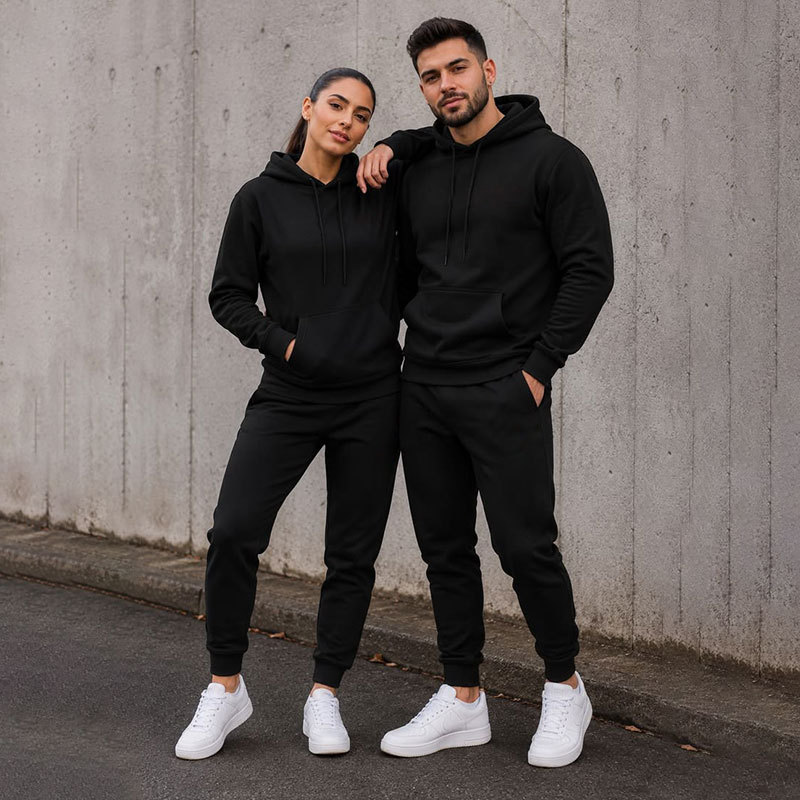
A pullover is the workhorse of teamwear: it carries a club crest at volume, works from a cold warm-up to a cool-weather run, and doubles as the retail piece that turns members into walking billboards. CrossFit boxes, running clubs and hybrid teams order them every season — and most ordering headaches come from the same five mistakes: vague artwork, guessed sizes, missed lead times, no reorder plan and no budget structure. This guide covers club colours and logos at volume, roster sizing and reorders, seasonal drop timing, retail-ready private label and the cost planning that keeps a team order on budget.
Why the Pullover Is the Teamwear Anchor
Across CrossFit and running clubs, the pullover — crew or quarter-zip — is the piece ordered most often after the jersey or singlet. It layers over a training top for cold-morning warm-ups, moves into a cool gym without extra gear, and carries logos on the chest, sleeve and back better than a stretch knit. For a club it is also the natural bridge between competition kit and supporter gear: the same pullover worn by the squad becomes the retail item parents and members buy. That dual role is exactly why a full-sublimation polyester or a brushed-back performance knit is the standard choice — colourfast, durable and printable in unlimited colours.
Club Colours and Logos at Volume
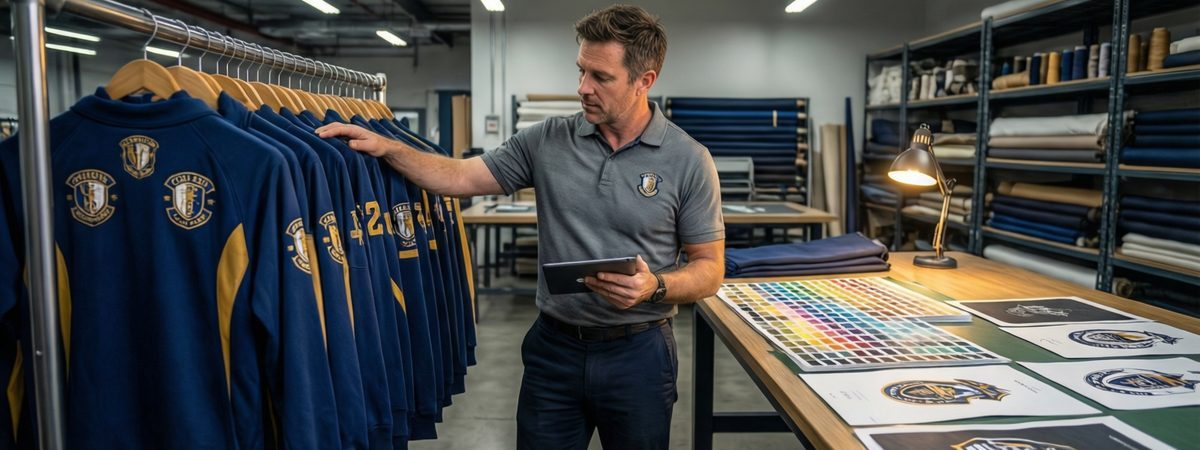
Matching club colours across an entire run is a sourcing discipline, not an afterthought. Lock every colour to a Pantone (PMS) reference instead of "club red", and hand the factory vector artwork — .ai, .eps or .svg — so the crest scales cleanly to any chest or sleeve size. A raster PNG must be at least 300 dpi with a transparent background; if it is not, budget $15–50 per logo for vectorisation before you quote. Sublimation fuses the ink into the fabric, so full-colour crests, sponsor zones and names never crack, peel or fade, and — critically — it carries no per-colour setup charge, which is what keeps complex multi-colour club kits affordable. Reserve embroidery for coaching polos and jackets where a raised, premium finish matters; on high-sweat performance polyester it adds weight and can chafe.
Roster Sizing: One Sheet, No Guesswork
Most sizing errors happen before the order is placed. Wait until tryouts are done and the final roster is approved, then collect every name, number and size on one roster sheet — one spreadsheet, not a group-chat thread. Have players measure against the supplier's size chart rather than guessing a retail size, and if the squad is mixed or large, ask for a physical sizing kit so members try on real garments before you lock quantities. Always add a small buffer of 2–3 extra pullovers in your most common sizes (typically M and L for adult clubs, S and M for youth): mid-season roster additions, damaged pieces and growth spurts are inevitable, and spares are far cheaper than an emergency reorder.
Reorders: Archive Everything, Top Up by Agreement
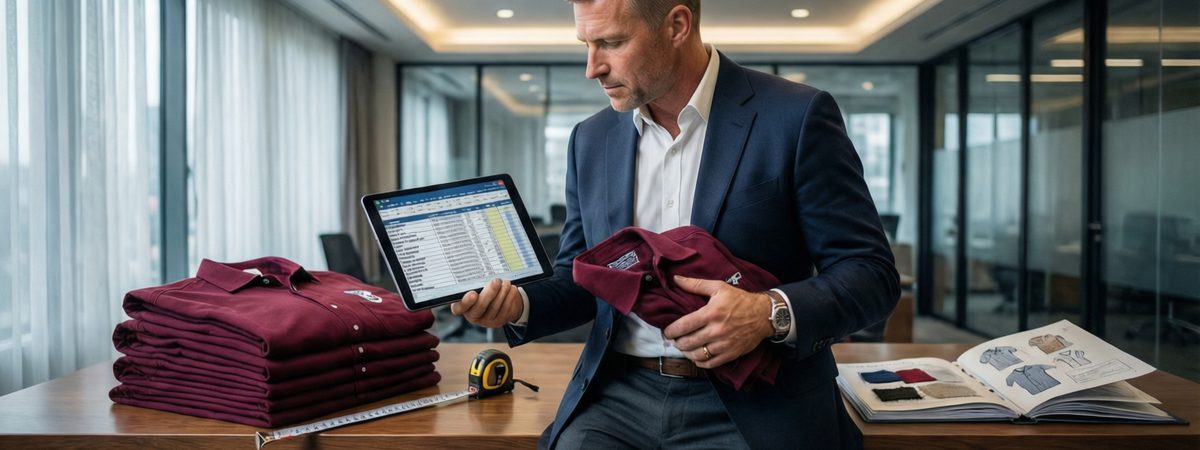
Rosters change after the season starts — new members join, a jacket is lost, a pullover shrinks. The fix is planned before the first order ships. Keep an approval packet with the final mockup, the Pantone codes, the font and placement specs and the size-run totals; that single record makes a reorder a straight repeat instead of a re-design. Negotiate a small-batch top-up rate at the contract stage, because reorders of fewer than the original MOQ often carry surcharges or reset to a higher per-piece band. Many suppliers hold the original discount for up to a year as long as the reorder clears a minimum quantity — typically around 10 pieces — so plan roster additions against that threshold and you keep matching gear at the original price.
Seasonal Drop Timing: Work Backwards from the Fixture
Custom teamwear production typically runs four to eight weeks after artwork approval, with complex or sublimated runs at the longer end. That means the practical planning window is six to ten weeks before the first required-use date, and ten to twelve weeks for clubs ordering across several groups or with new sponsorship artwork. Work backwards from the first fixture, not from the first training session: mockup approvals and size collection are where delays happen, so build a two-to-three-week buffer into the schedule to absorb artwork revisions and shipping. Order one item's worth of margin early — clubs that start the design conversation at ten to twelve weeks out consistently get everything right the first time.
Retail-Ready Private Label: From Uniform to Merch Wall
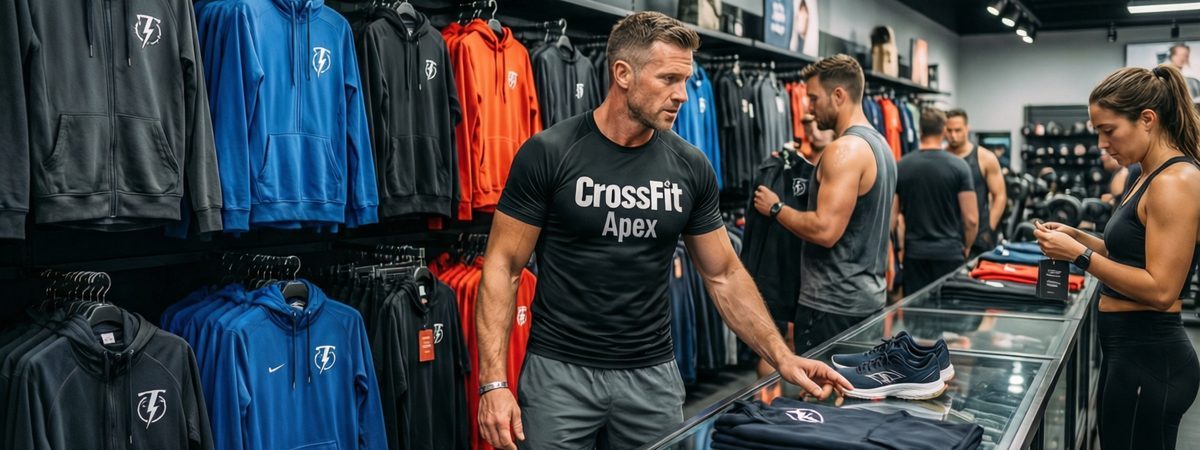
The same pullover that dresses the squad can stock the club shop. Private-label margins run roughly 55–70% gross versus 20–35% for reselling other brands, which is why gyms and clubs build a retail line around their own crest. Start with one or two core items — a branded pullover and a tee — at a low-MOQ supplier, price at keystone (roughly 2–2.5× landed cost) to land a 50%+ gross margin, and let coaches wear the gear during class as the strongest live advertisement. A 100–300 piece entry is achievable with a flexible manufacturer, and the retail stock doubles as the team's own uniform inventory, so the club earns margin on what it would buy anyway.
Cost Planning for Teams: Volume Tiers and Real Breakpoints
Teamwear pricing drops at quantity breakpoints, not smoothly. In typical factory tiers, 50 pieces might run $18–24 per pullover, 100 pieces $13–17 (roughly 28% less), 200 pieces $9–12 (about 46% less) and 500 pieces $7–9 (about 61% less). The lesson cuts both ways: if a small running club sits at 8 members, ordering 10 often costs less per unit than 8, and if a club is at 49, adding one spare to hit 50 unlocks the next tier. But do not over-order for a discount nobody needs — order for participation, then take the per-unit price that comes with it. Remember the per-unit add-ons too: names and numbers add a small per-piece cost, extended sizes carry surcharges (roughly +$2 for 2XL up to +$8 for 5XL), and reflective details for low-light running add a little more. With sublimation, design complexity is free — the colours and artwork complexity do not change the quote — so spend the design effort where it shows.
Fabric and Fit Decisions for Pullover Uniforms
Choose the body by how the club uses the garment. A full-sublimation polyester pullover (typically 160–220 gsm) is colourfast, lightweight and quick-drying — the right base for running clubs and summer competition. For CrossFit boxes and cool-weather squads, a brushed-back performance knit (240–320 gsm) adds warmth without bulk while keeping a smooth outer face for printing and embroidery. Fit-wise, a regular athletic cut with raglan sleeves and 2×2 ribbed cuffs layers cleanly over training tops and reads premium in retail; add a quarter-zip and a mock collar for a piece that moves between the gym floor and the front desk. Keep the label to a heat-sealed tag-free care label so nobody wears a scratchy woven tag during a 5K.
MontForge Teamwear Capabilities
MontForge develops custom pullovers for streetwear, CrossFit and teamwear programs. We build full-sublimation polyester bodies and brushed-back performance knits across the GSM range, with club-colour matching to Pantone, vector-logo crest reproduction at any size, names and numbers per player, embroidery for coaching pieces, and reflective detailing for low-light running. Our low-MOQ model supports small club entries and mid-season top-ups on archived designs, and our standard sample window lets a club approve the fit before bulk. From one squad to a full club shop, we help teams get matching pullovers that look right on game day and sell right off the shelf.
Frequently Asked Questions
How far ahead should a club order team pullovers?
Plan six to ten weeks before the first required-use date, and ten to twelve weeks for larger or multi-group orders. Custom production typically runs four to eight weeks after approval; build in a two-to-three-week buffer for artwork revisions and shipping.
What is the best decoration method for club logos?
Sublimation for performance pullovers — the ink fuses into the fabric, so crests, sponsors and names never crack or peel, and there is no per-colour setup cost. Reserve embroidery for coaching polos and jackets where a raised, premium finish matters.
What files does the factory need for the club crest?
Vector artwork in .ai, .eps or .svg. If you only have a raster PNG, it must be at least 300 dpi with a transparent background — otherwise budget for vectorisation before quoting. Lock club colours to Pantone references.
Can we reorder mid-season when new members join?
Yes, if you plan it. Archive the approved mockup, Pantone codes, fonts and placement specs, and negotiate a small-batch top-up rate upfront. Many suppliers keep the original discount for up to a year as long as the reorder clears a minimum quantity, typically around 10 pieces.
Is private-label club merch worth it for a small gym?
Usually yes. Private-label gross margins run roughly 55–70% versus 20–35% for reselling other brands. Start with one or two core items at a low-MOQ supplier, price at keystone (2–2.5× landed cost), and let coaches wear the gear as free advertising.
Ready to outfit your club? Send us your roster and crest or browse MontForge team pullovers — low MOQ, Pantone colour matching and archived reorders as standard.