The Definitive Guide to Producing Premium Reflective Tracksuits: A Montirex-Style Manufacturing Case Study by Montforge
- Share
- publisher
- Montforge-Bruin
- Issue Time
- Mar 31,2026
Summary
Discover how Montforge produces high-quality Montirex-style reflective tracksuits. Learn step-by-step about fabric selection, reflective technology, precision engineering, and quality control for premium technical streetwear.


MontForge and Montirex: Manufacturing Experience for a New Brief
MontForge has worked successfully with Montirex. This guide draws a distinction between that confirmed relationship and the development evidence required for a new reflective tracksuit. It follows material selection, application, fit and production controls without assigning unverified order details to the collaboration.
2. Define the Reflective Product's Intended Use
Begin with the product requirement: decorative appearance, movement, care and any formal visibility claim. These choices determine the material and garment checks that follow.
2.1 Appearance in the Intended Lighting
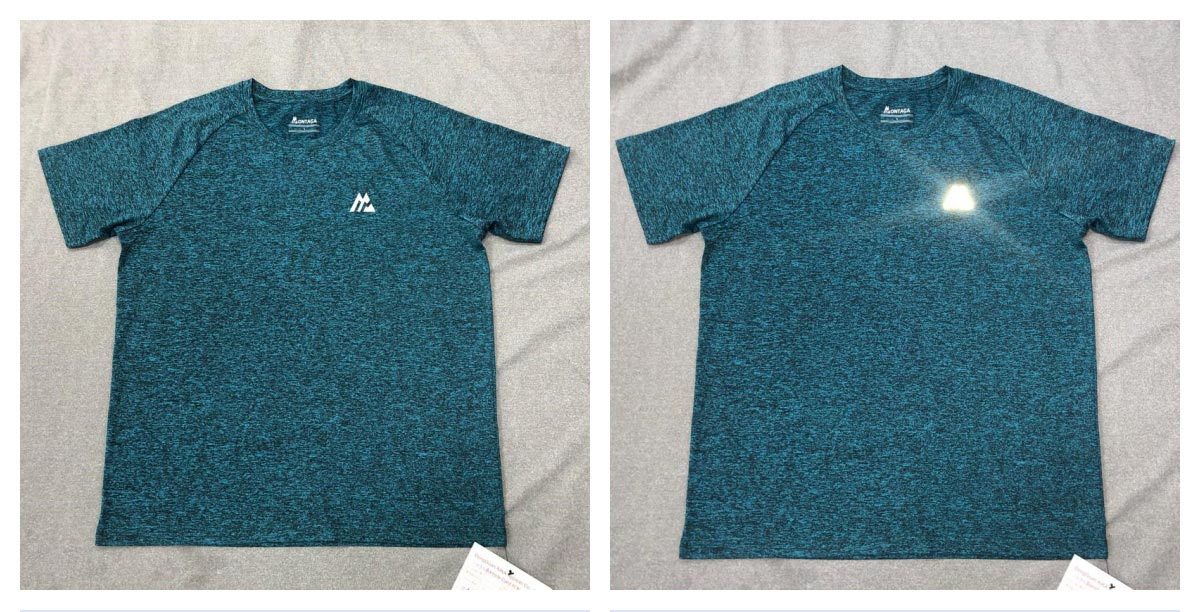
A reflective detail can change the garment's appearance under directional lighting or a camera flash. Review the effect on the nominated fabric, but evaluate durability and any protective claim separately.
2.2 Activity and Garment Coverage
Define the activity, wearer and expected lighting. If the garment is intended to make a formal visibility or protective claim, agree the applicable evaluation route before treating a decorative detail as sufficient.
2.3 Combine the Required Features
Define which features the style actually needs: stretch, weather protection, decoration or a particular hand-feel. Check the interactions; a coating, heat application or added seam may change how the proposed fabric behaves.
3. Select the Shell and Finish Together
3.1 The Material Matrix
There is no universal optimum fibre ratio or weight for a reflective tracksuit. Specify the intended use, silhouette, composition, knit or weave, weight and finish, then compare actual material trials. Interlock is a knit construction, not a weave. Its suitability for a reflective film still depends on the selected material and application.
3.2 Performance Coatings and Finishes
Pilling: agree the test method, conditions and acceptance level for the nominated fabric. A process description or a fixed wash-count promise does not establish the result for every garment.
Water repellency: define the required effect, durability and permitted chemistry for the destination. A water-repellent finish is different from a waterproof garment and should not be selected through a generic C6 recipe.
Moisture behaviour: assess the nominated material using the method relevant to the intended claim. Fibre composition alone does not establish wicking, drying or wearer comfort.
 4. Reflective Technology: The Science of Retro-Reflectivity
For a measured retroreflective claim, identify the property, test geometry, units and applicable method. A photograph, a general brightness number or an ordinary illuminance-meter reading is not equivalent to the required retroreflection test.
4.1 Select an Identified Reflective Material
Glass-bead materials are one reflective route. Select an identified component using its technical information and intended application. Confirm how placement, stretch, attachment and care affect the garment result.
4.2 Review the Material's Application Route
Heat transfer: use the instructions for the exact reflective product and substrate, then validate the result on the nominated garment fabric. Time, temperature, pressure and peel conditions should not be copied from another film or a generic recipe.
Cutting and bonding: define edge quality, placement and attachment requirements. Laser cutting is an edge-preparation option, not proof that the adhesive or seam will perform as required.
Reflective yarn or trim: identify the component and intended application. Review how its construction, placement and care affect the complete garment.
5. Pattern Engineering: The "Standard Fit" Architecture
5.1 Articulated Ergonomics
Review the hood, cuffs, knee and elbow areas during the intended movements. Articulated panels or a different elastic construction may help a particular design, but their effect must be checked with fit and recovery rather than assumed from the pattern feature.
5.2 Pattern Grading for Global Markets
Build the size system from the brand's target wearer, body-measurement reference and finished-garment chart. UK, EU and US labels do not establish one universal fit. Validate the important sizes and keep grade rules identifiable.
6. Agree the Production and Acceptance Record
Before bulk release, connect the nominated materials, application trial, pattern and artwork under one approved revision. Define the checks that matter for this garment instead of promising a zero-defect workflow.
| Stage | Purpose | Record to agree |
| Incoming material | Confirm the nominated shell and reflective component | Material identity, relevant properties and acceptance criteria |
| In-process | Control placement, attachment and construction | Operation checks and corrective actions |
| Care trial | Evaluate attachment and appearance after the agreed care method | Identified sample, conditions and result |
| Final review | Assess completed goods against the approved reference | Inspection decision and any required performance report |
Incoming checks: agree which material properties will be reviewed, the sampling or testing method and how the lot is identified. Do not describe every roll as laboratory-tested without production records.
In-process checks: identify critical operations and who records the findings. Inspection frequency should suit the process and risk, not an arbitrary distance along the line.
Care evaluation: specify the garment, procedure and result needed before approval. Separate development validation from the agreed checks on bulk lots.
Performance verification: use competent testing with the method required by the intended claim. Confirm that the report identifies the relevant material or garment and conditions.
 7. Professional FAQ: Expert Insights for Brand Owners
Q1: How do I prevent my reflective logos from cracking?
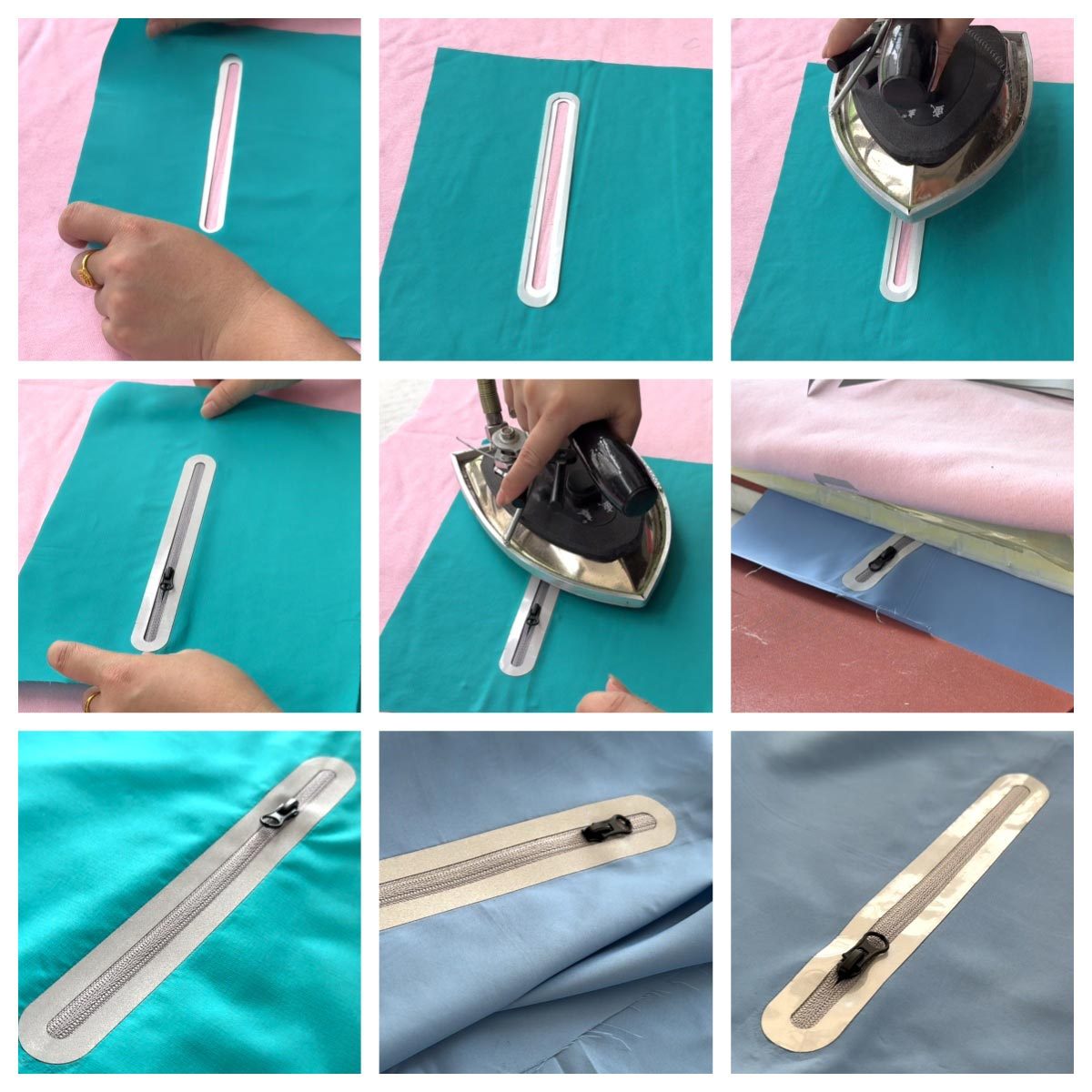
Several factors can cause cracking or separation: substrate, finish, movement, adhesive, curing, application and care. Follow the exact material instructions and investigate a trial failure before changing the process. A cross-hatch test or a particular peel mode is not a universal proof of a molecular bond.
Q2: How should I plan the production calendar? Identify material availability, application trials, pattern and size review, approval, bulk production and delivery. Ask for an order-specific schedule; an inventory or greige-fabric programme should be confirmed as part of that proposal.
Q3: Why is the price of reflective tracksuits so volatile?
The material reference, reflective area, artwork, substrate, application and quantity can all affect cost. Compare the same specification and ask which alternatives change performance or appearance. A brand name such as 3M is not a generic grade or evidence of a fixed price multiple.
Q4: Can you assist with Tech-Pack creation?
Discuss the technical-file scope: measurements, material references, components, construction, artwork and placement. Agree what development work and revisions are included and what files the buyer will receive.
Q5: How do we handle "Anti-Counterfeit" measures?
QR or NFC components may support product information or an authentication system, but a tag alone does not prove authenticity. Define the system, responsibilities and claimed function before adding the component.
From the Reflective Concept to an Approved Garment
For the new tracksuit, translate the desired appearance into an identified material, pattern and application specification that can be approved and repeated.
Keep product evidence connected to the order it supports. The following checks can guide the next development programme.
Material certification and garment claims are separate
Identify the exact reflective material and the intended claim before selecting the construction. A decorative accent and a garment intended to meet a formal visibility requirement do not have interchangeable approval routes.
Use the reflective-material manufacturer's technical instructions and application support for the selected product. That component guidance does not establish certification of the complete garment or prove a particular factory's capability.
Test the application on the actual shell
Fibre composition, finish, stretch and heat sensitivity can affect the chosen process. Ask for the material supplier's application instructions and a trial on the nominated fabric. A result on a different substrate is useful development information but is not the final approval.
| Development stage | What the buyer should check |
|---|---|
| Material selection | Exact material reference and intended use |
| Application trial | Compatibility with the nominated shell |
| Pattern placement | Seams, pockets, zippers and areas of movement |
| Size review | Placement and proportion across the planned range |
| Care trial | Attachment and appearance under the agreed method |
| Bulk reference | Artwork, process and material under one approved revision |
A camera flash is not a complete acceptance test
A photograph can show a visual effect. It does not by itself establish attachment durability, performance after care or compliance with an intended garment standard. Use the evaluation required for the actual claim.
Check the worn jacket and trouser together. A line that appears continuous in a flat drawing may be interrupted by a pocket, seam or body movement. Decide how those interruptions should be managed before production.
The result should be a repeatable technical brief: material identity, substrate, application, placement, size rules and required checks. That is the part a buyer can discuss with MontForge for a new project, using the collaboration history as context and the project's own approved evidence as the production reference.
8. Use the Collaboration as a Starting Point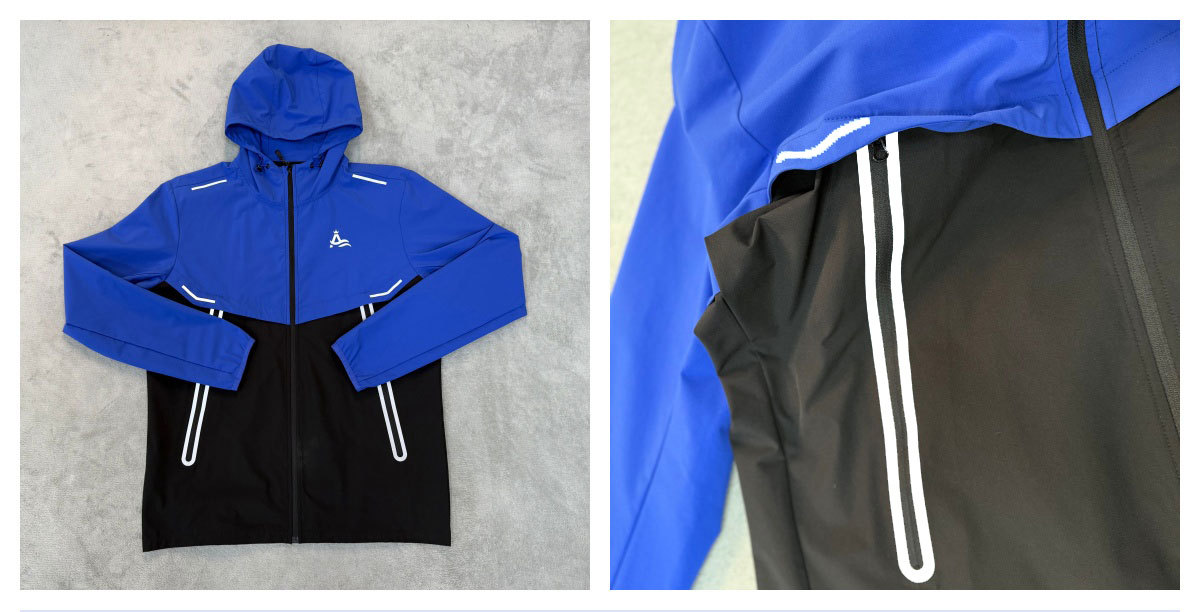
MontForge's successful collaboration with Montirex provides relevant relationship history. The available confirmation does not assign a particular zipper, film, press setting or growth result to a specific project. For a new garment, develop and approve those decisions through its own brief.
Ask which relevant examples can be shared and which development questions the first sample should answer.
9. Prepare the Next Reflective Tracksuit Brief
Bring the intended use, size range, material direction, placement artwork and order mix to the development discussion.
Next Steps for Your Brand:
Request relevant material and application samples for the proposed garment.
Discuss the technical-file gaps and the sample stages needed to resolve them.
Confirm which operations will take place at the named production site and which will be arranged elsewhere.