Screen Print vs Embroidery vs Heat Transfer for Custom Tees
- Share
- publisher
- MontForge Sourcing Team
- Issue Time
- Aug 9,2026
Summary
A 2026 comparison of screen printing, embroidery, and heat transfer for custom tees: durability, cost per unit, best fabrics, and how to brief artwork.
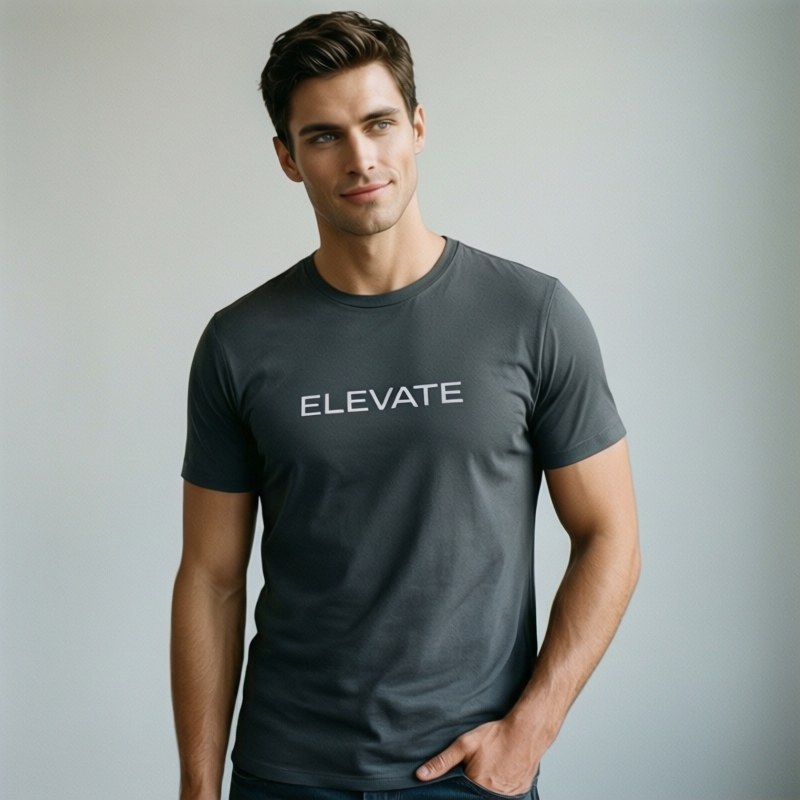
The fastest way to waste a custom tee budget is to pick the decoration method before the design, the fabric, and the run size are decided. The short answer: screen printing wins on cotton at 24+ pieces, embroidery wins for a premium, permanent finish on thicker garments, and heat transfer or DTF wins for small runs, names and numbers, and full-color art. This guide compares all three on durability, cost, and the fabrics they actually like.
Screen Printing: The Bulk Workhorse
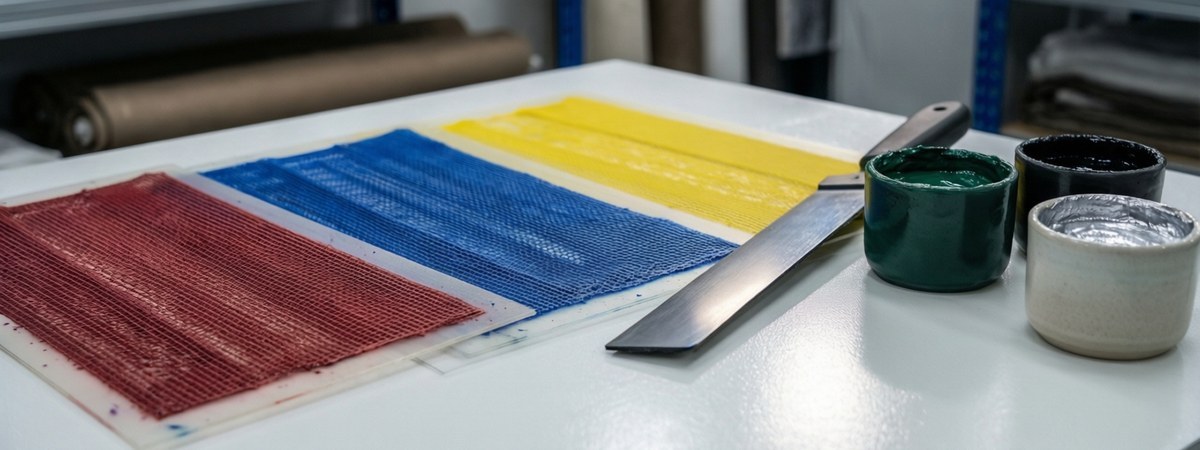
Screen printing pushes ink through a stenciled mesh screen onto the fabric. Each color needs its own screen, so the setup cost is fixed whether you print 30 or 300 shirts. Spread across a big run, that setup becomes negligible, which is exactly why screen print is the most cost-effective method at scale. The cured ink layer is thick, so the print stays bold and wash-resistant for years. It is the right call for band merch, team uniforms, event tees, and any order of 24+ pieces with 1-6 solid colors.
Embroidery: The Premium, Permanent Finish
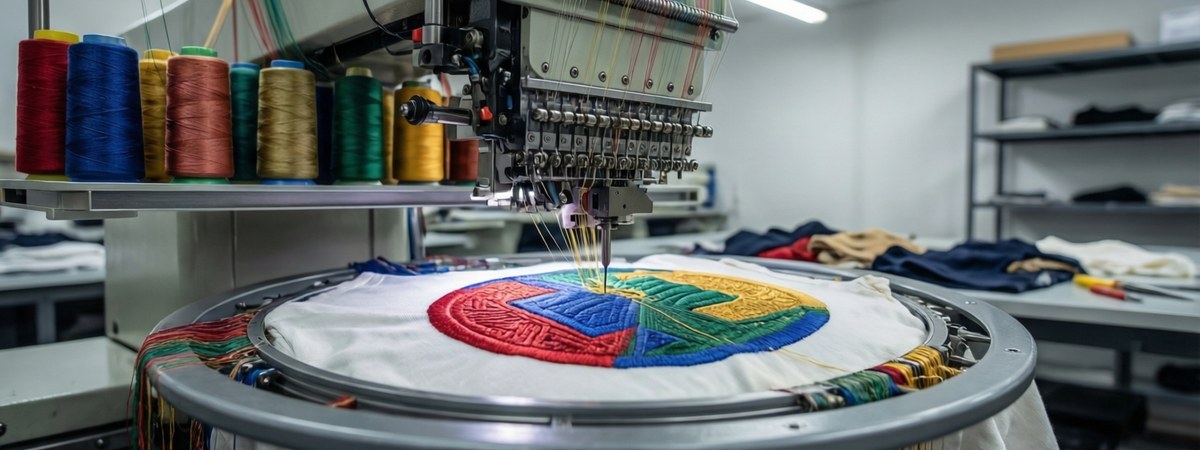
Embroidery stitches thread directly into the fabric with an industrial multi-head machine. It is not a print at all: it is a raised, tactile, dimensional finish that reads as premium the moment you touch it. The thread often outlasts the garment itself, which is why embroidery dominates polos, caps, jackets, and corporate uniforms. The trade-off is detail: tiny text and photorealistic art do not translate to stitches, and a heavy design on a thin summer tee can feel stiff. For a clean logo on structured apparel, nothing looks more expensive.
Heat Transfer and DTF: The Small-Run Tool
Heat transfer covers vinyl (HTV) and printed transfers, while DTF (direct-to-film) prints the design onto a film and presses it on. Neither needs screen setup, so the per-piece price stays flat at any quantity. That makes them ideal for one-offs, player names and numbers on jerseys, and full-color or photographic artwork. DTF handles gradients and fine detail at any quantity with no per-color fee. The catch is hand feel and life: a transfer sits on the surface, so very large chest prints can feel rubbery, and cheaper transfers crack sooner than a cured screen print.
Durability and Wash Resistance, Side by Side
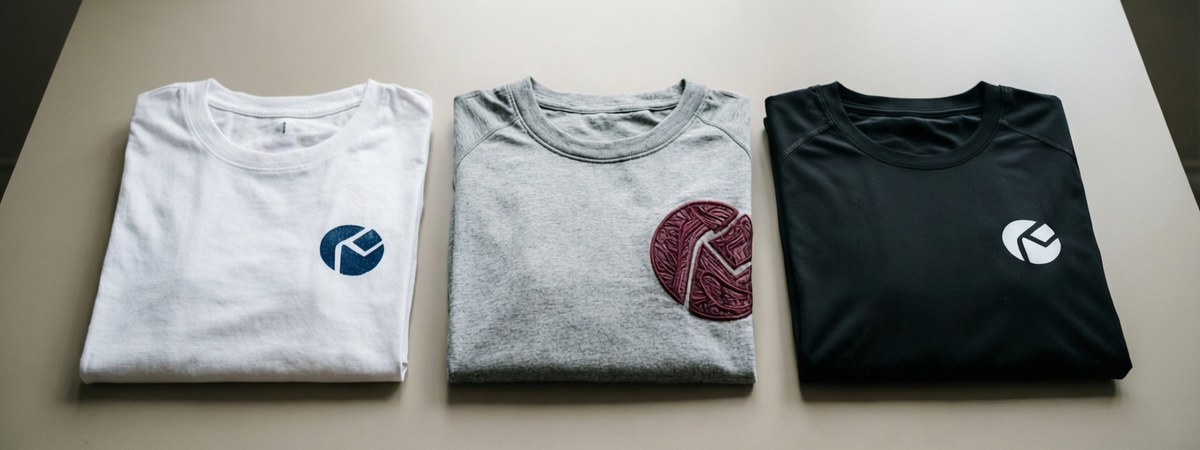
Durability is not about how the print looks on delivery, it is about how it looks after 50 washes in a commercial dryer. On cotton, a properly cured plastisol screen print survives 100+ wash cycles. Embroidery lasts the lifetime of the garment. DTF holds 50-100 washes. Heat transfer vinyl begins to crack after 20-30 washes, and basic transfers sit around 25-50. Sublimation is permanent but only on polyester. For uniforms and promo tees that get washed constantly, screen print or embroidery is the safe bet; for a one-off gift, heat transfer is fine.
Screen Printing
50-100+ washes on cotton. Thick cured ink, bold and fade-resistant. Best for high-wear cotton tees.
Embroidery
Lifetime of the garment. Thread, not ink. Best for logos on structured, thicker apparel.
Heat Transfer / DTF
HTV cracks after 20-30 washes; DTF 50-100. Surface bond, weaker under heavy washing.
Cost per Unit: Where Each Method Wins
Cost is driven almost entirely by quantity and color count. Screen printing carries a setup fee per screen (about USD 25-75 per color), so it looks expensive at 12 pieces and cheap at 500. Embroidery has a one-time digitizing fee (about USD 30-100) and then costs roughly the same per piece regardless of volume. Heat transfer and DTF have no setup, so they win at 1-12 pieces. For a typical 3-color design the crossover is around 36-48 pieces: below that, embroidery is comparable or cheaper; above it, screen print pulls ahead fast.
- 1-12 pieces: heat transfer / DTF or embroidery (no screen fee); screen print is priciest here.
- 24-71 pieces: screen print becomes cheaper than embroidery for most logos.
- 100-500+ pieces: screen print drops to roughly USD 4-8 per garment (incl. blank) vs embroidery USD 6-18.
- 6+ colors or photos: DTF beats multi-screen screen print on setup cost every time.
Best Use Cases by Fabric and Design
Match the method to the garment and the artwork, not the other way around. Screen print loves cotton and blends with bold, flat, 1-6 color logos. Embroidery loves thicker fabrics, polos, caps, and fleece, and handles simple logos and text best. Heat transfer and DTF adapt across cotton, polyester, and blends for small runs, names, numbers, and photos. Sublimation is polyester-only but permanent. Specify the method after you know the design, the fabric, and how many times the shirt will be washed.
Polyester and Performance Tees: A Special Warning
Performance fabrics break the usual rules. Screen printing on 100% polyester risks dye migration, where the fabric dye bleeds into the print under heat (sublimation bleed), so it needs low-cure or barrier inks. Ink can also block the wicking that makes a gym tee work. Embroidery avoids both problems: it preserves breathability and has no migration risk, which is why it is a strong pick for performance polos and caps. For all-over, crack-free color on polyester sportswear, sublimation is the cleanest answer. Always tell your decorator the exact fiber content before they quote.
Which MontForge Capabilities Fit Your Artwork
MontForge decorates custom sports, streetwear, and teamwear tees with screen printing, embroidery, and heat-transfer or DTF from a single line, so you are not forced into one method. Low minimums let a first run stay small while you test a design, sampling runs in 7-15 days, and GRS-certified recycled polyester is available for performance and sustainability stories. For a bulk cotton drop, brief screen print; for a premium logo on a polyester polo or cap, brief embroidery; for a short run with names and numbers, brief heat transfer or DTF. The same art can even combine methods: screen-printed tees with embroidered caps for a cohesive branded kit.
How to Brief Artwork for Clean Results
A clean print starts with a clean file. Vector artwork (AI, EPS, PDF) is preferred everywhere; if you only have a raster, send it at 300 DPI at final print size. Convert all text to outlines so fonts never fail. For screen print, set colors in Pantone Solid Coated and put each color on its own layer; minimum line 0.4 mm and minimum letter height about 2.6 mm. For embroidery, keep letter height 5-7 mm, line 0.4 mm or thicker, under 15 thread colors, and supply a digitized file (DST, PES, or JEF). For heat transfer or DTF, a high-res PNG with a transparent background at 300 DPI is enough. Give the decorator the placement, size, and a Pantone or HEX reference and you skip the revision round.
Frequently Asked Questions
Which method lasts longest on a cotton tee?
A cured plastisol screen print survives 100+ washes on cotton, and embroidery lasts the lifetime of the garment. Both beat heat transfer for high-wear shirts.
What is cheapest for a small run of 12 shirts?
Heat transfer or DTF, and embroidery for a simple logo, because neither carries a per-color screen setup fee. Screen print is priciest below about 12-24 pieces.
Can I print on a polyester performance tee?
Yes. Use low-cure or barrier inks for screen print to avoid dye migration, embroidery to keep wicking intact, or sublimation for permanent all-over color on polyester.
What file should I send for screen printing?
A vector AI, EPS, or PDF with text converted to outlines, Pantone colors, and one layer per color, at 300 DPI if any raster is included. Minimum line 0.4 mm.