Custom Teamwear T-Shirts: Uniforms for CrossFit Boxes and Basketball Programs
- Share
- publisher
- MontForge Sourcing Team
- Issue Time
- Aug 11,2026
Summary
A practical walkthrough to ordering custom teamwear t-shirts for CrossFit boxes and basketball programs: names and numbers, sublimation vs screen print, Pantone color matching, turnaround, reorders, and private-label gym lines.
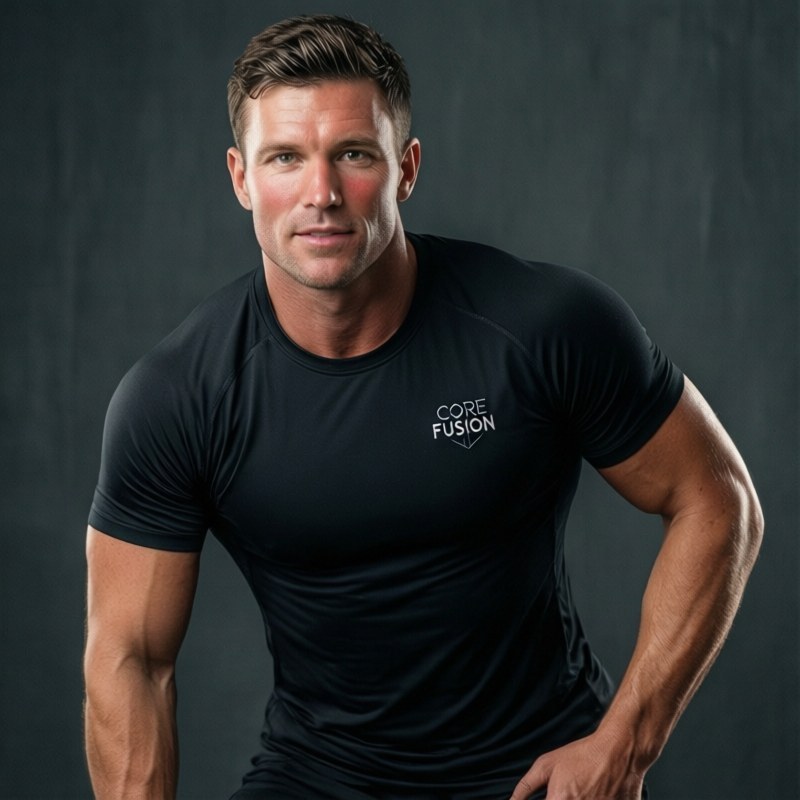
Outfitting a CrossFit box or a basketball program is less about one shirt and more about a yearly cadence of rosters, recolors, and reorders. The short answer: order teamwear t-shirts through dye sublimation on polyester so every name, number, and logo is printed into the fabric (no cracking, no per-player setup fee), lock your brand color with a Pantone lab dip and a spectrophotometer check (Delta E at or below 1.0), plan eight to ten weeks from first contact to delivery, and keep an archived spec so returning teams reorder in minutes. This walkthrough covers ordering, color control, turnaround, reorders, and private-label options for gym-owned apparel lines.
Why Teamwear T-Shirts Are a Recurring Line, Not a One-Off Order
A team shirt is the most reordered garment in sports apparel because the demand is built into the calendar. Summer league jerseys lead to winter training hoodies, then next season's roster refresh, then sponsor changes. The Team Sport Uniforms market was valued at USD 4.85 billion in 2025 and is projected to reach USD 7.2 billion by 2032, a 5.8 percent compound annual growth rate, with polyester taking a 65.8 percent material share (PW Consulting). In the United States, sporting goods wholesale sales reached USD 130 billion in 2025 and team uniforms rose 5.4 percent year over year (Sports & Fitness Industry Association, March 2026). A box or program that treats its first run as the start of a program, not a one-time purchase, captures that recurring spend instead of handing it to a catalog vendor.
Ordering Custom Names, Numbers and Logos the Right Way
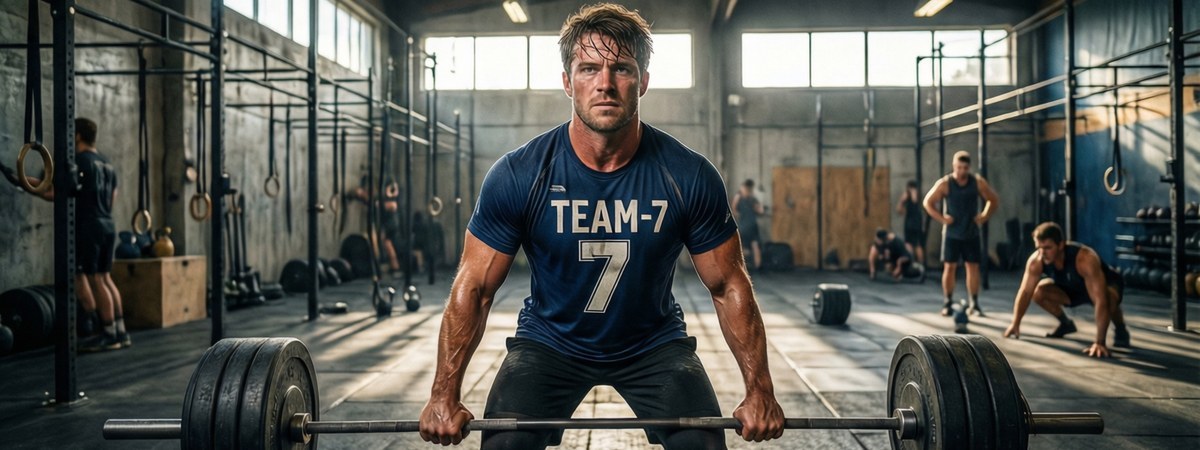
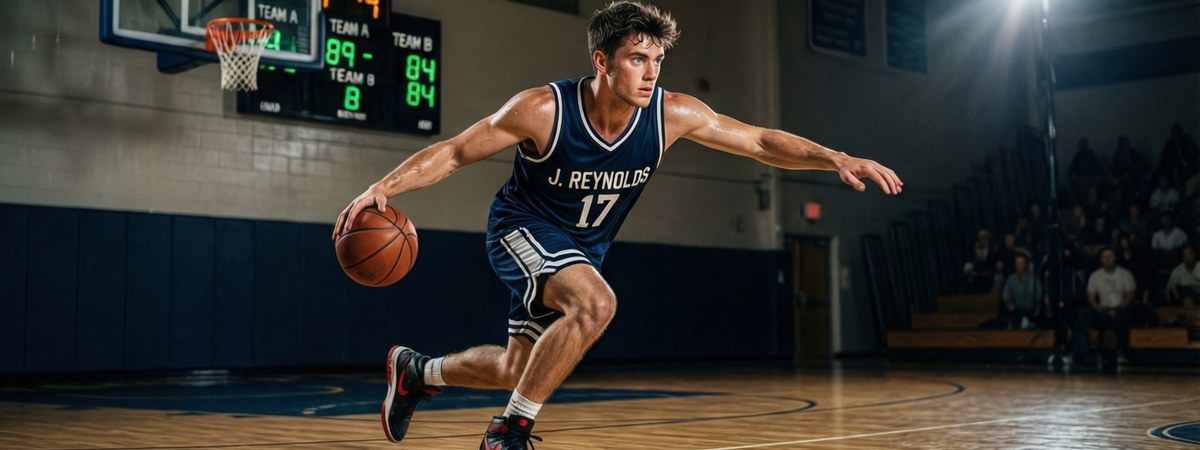
The cleanest ordering flow starts with a roster file, not a mood board. Send the manufacturer a CSV with each player's name, number, and size; the factory applies names, numbers, and crests per unit from that roster once it is locked. Many team programs run a 100-piece minimum and ship in 18 to 25 days from a locked roster, with no custom-fabric wait (Berun Activewear). Smaller "team starter" programs accept 20 to 30 pieces using stock templates with your color and logo changes. Artwork should be vector (AI, EPS, PDF with outlined fonts) or 300 dpi raster at print size. With sublimation, names and numbers are part of the printed design and cost nothing extra per player, so a 12-person roster and a 40-person roster cost the same to personalize.
Sublimation vs Screen Print for Team Names and Numbers
This is the decision that shapes how the shirt looks, feels, and survives a season. Dye sublimation turns solid dye into gas and bonds it directly into polyester fibers, so the color becomes part of the material. It will not crack, peel, or fade through dozens of washes and a full season of contact play, carries unlimited colors and gradients, and includes names, numbers, and logos with no per-color penalty. Screen printing pushes ink through a stencil onto the surface: excellent for simple bold logos on cotton, but each added color adds a screen and cost, and thick ink can crack or peel on stretchy performance fabric. For a polyester team shirt, sublimation typically lands at about USD 30 to 50 per jersey versus USD 20 to 35 for screen print, and a sublimated garment often lasts 3 to 5 seasons while a screen-printed one can show wear in 1 to 2 (Wooter). The practical rule: sublimation for active, personalized teamwear; screen print for cotton fan tees and one-color bulk promo.
Bulk Color Matching Across a Full Roster
Color drift is the fastest way to make a program look unprofessional. A roster of 25 shirts must read as one color, and that color must also match the shorts, bags, and next season's reorders. The fix is discipline, not luck: reference the same Pantone (PMS) codes for every piece, reorder the same fabric composition (the same Pantone reads differently on cotton than on polyester), and keep your approved color on file with the factory. Community and school sports are exactly where this matters most, because parents and fans buy personalized product to mark milestones, and a faded or mismatched shade undercuts the whole identity. A manufacturer that stores your color reference and artwork pulls from that file on every reorder, so a shirt made this year matches one made next year.
The Lab-Dip and Pantone System That Locks Color In
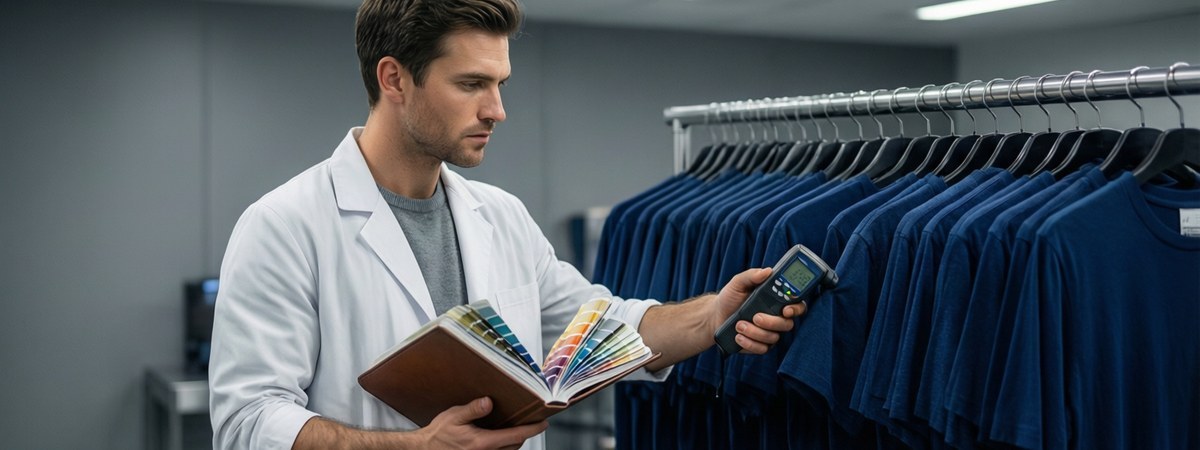
Professional color control runs in five steps. First, pick Pantone colors from a physical swatch book, never a screen render. Second, the factory dyes a lab dip on your actual production fabric; you approve it with a spectrophotometer reading, where a Delta E at or below 1.0 is the industry standard for the main body (VANRD). Third, bulk dye-lot control: the first meters from each dye vat are tested against the approved lab dip before thousands of meters are dyed. Fourth, in-line inspection flags rolls outside the acceptable Delta E under D65 standardized lighting. Fifth, finished garments are verified under standardized light before packing. The single highest-leverage step is the lab dip: every dollar spent getting it right saves ten fixing color problems in bulk. An archived color recipe means reorders start from a locked formula, not a guess.
Turnaround Windows for Seasonal Team Orders
Plan backward from the season opener, not forward from the order. A realistic timeline from first contact to delivery in hand is eight to ten weeks: sampling 5 to 7 business days, bulk production 12 to 20 business days depending on quantity and complexity, and shipping 3 to 5 days by air express or 25 to 35 days by sea (Jistar Sport). A CrossFit box order typically runs 15 to 30 days of production after artwork approval, with a 30-piece minimum per model (4Uniformes). Rush production can hit a seven-day turnaround at some factories but costs 20 to 30 percent more and narrows your options. Always add a two-week buffer for revisions and delays before a hard deadline, because a late uniform is worse than a slightly early one.
Reorder Management for Returning Teams
Reorders are where a good supplier earns repeat business. The mechanism is an archived spec: once a design is approved, the factory stores the sealed sample, the color recipe, the sizing grade, and the decoration placements so the next order matches the first without a refit round. Update only the roster CSV each season, add or drop sizes, and the line reproduces. Pre-shipment inspection to AQL 2.5 on every lot protects consistency, and carton marks are packed to your program's requirements. For the box or program, this turns a stressful annual scramble into a short email: send the new roster, confirm the color, approve the proof, receive the shirts.
Private-Label Options for Gym-Owned Apparel Lines
A gym-owned apparel line turns members into a captive audience and a margin stream. Private label means your brand, your woven label, your care label, your hang tag, and your polybag, with no factory name on the garment. Most programs launch two or three core pieces (a tee, a pair of shorts, maybe a sports bra) at a 100-piece minimum per style and color, test the market at the front desk, then scale the winners (Goodley; Berun Activewear). Sublimation keeps the per-style color cost flat, so a small run still looks premium. For a box, this is the difference between selling someone else's shirt with your logo stuck on it and building a recognizable in-house label members ask for by name.
How MontForge Runs Teamwear Programs End-to-End
MontForge builds custom teamwear t-shirts for CrossFit boxes, basketball programs, and athletic clubs that want sublimated polyester, free per-player names and numbers, and Pantone-matched color held batch to batch. Sampling runs in 7 to 15 days, low minimums keep a first run affordable, and every order is graded, lab-dipped where color matters, and inspected in three stages so the reorder looks like the original. Names, numbers, and logos are printed into the fabric for a smooth, breathable finish that survives the season, and an archived spec means returning teams reorder in minutes rather than re-briefing from scratch. Start from the product page or send a roster and get a quote.
Frequently Asked Questions
What is the minimum for a custom team t-shirt order?
Sublimation team programs often start around 50 pieces, and "team starter" templates can go as low as 20 to 30 pieces. MontForge uses low minimums so a first box run stays small, with sampling in 7 to 15 days.
Sublimation or screen print for a basketball program?
Sublimation for an active polyester jersey: names and numbers are printed into the fabric at no per-player fee, and the print will not crack or peel through a season of play. Screen print fits cotton fan tees and simple one-color bulk promo.
How do you keep colors consistent across reorders?
Lock a Pantone lab dip with a spectrophotometer reading (Delta E at or below 1.0), archive the color recipe, and reorder the same fabric. The factory pulls from that file so this year's shirt matches last year's.
How long does a team order take?
Budget eight to ten weeks from first contact to delivery: about a week to sample, two to three weeks to bulk, and one to five weeks to ship. Rush seven-day production exists at a 20 to 30 percent premium.
Can a gym launch its own private-label line?
Yes. Private label runs at about a 100-piece minimum per style and color and includes your woven label, care label, hang tag, and polybag, so members buy an in-house brand rather than a generic shirt.
Ready to outfit your box or program? Send your roster and we will spec sublimated, Pantone-matched teamwear - sampled in 7 to 15 days.